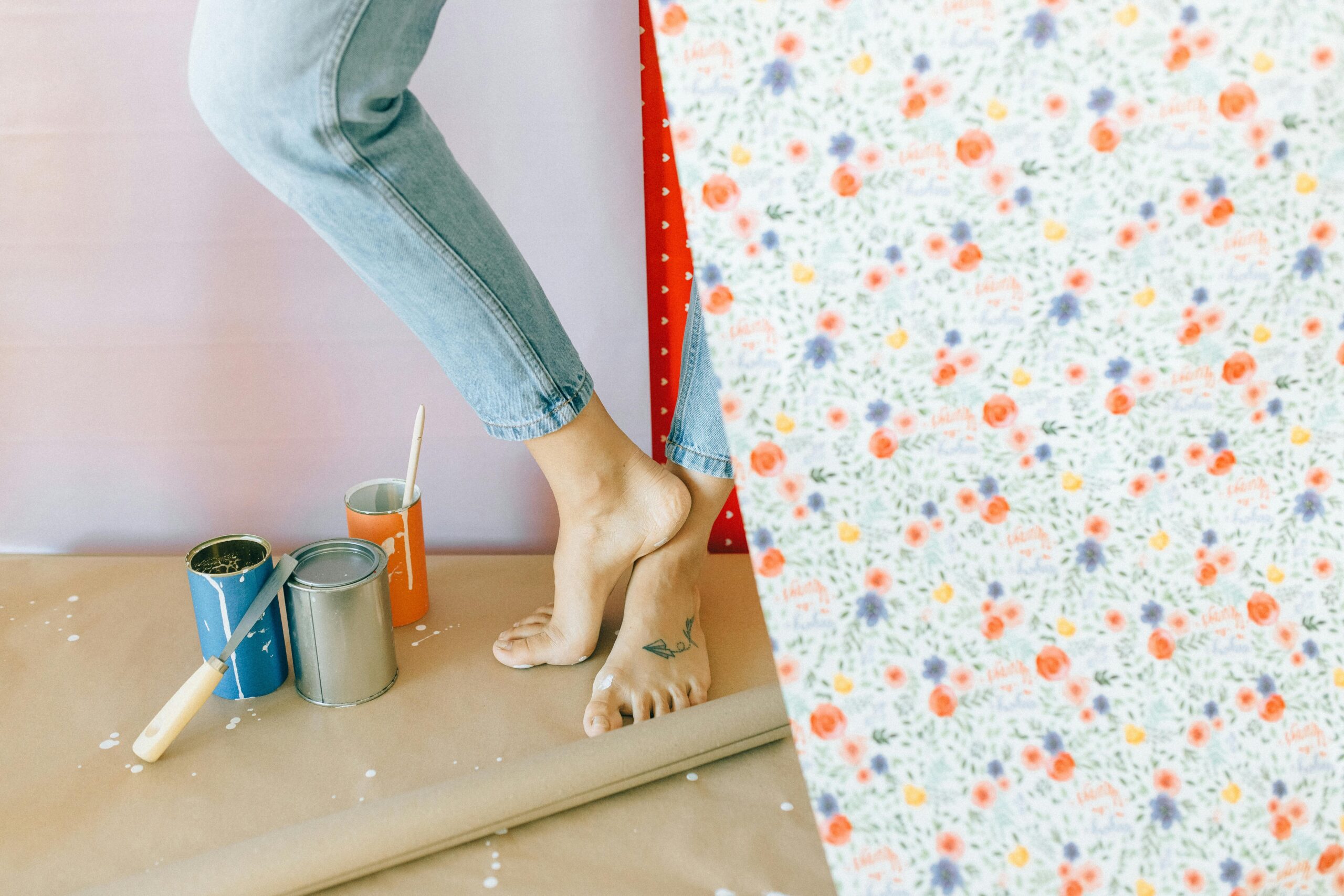
Transforming a small space on a tight budget doesn’t mean compromising on style or functionality. With strategic planning and creative thinking, you can achieve remarkable results that maximize every square inch while keeping your finances firmly in check.

The secret to successful small-space renovation lies not in how much you spend, but in how intelligently you allocate your resources. Whether you’re working with a compact apartment, a tiny bedroom, or a cozy studio, understanding the principles of smart budgeting combined with impactful design choices will empower you to create spaces that feel larger, more organized, and genuinely personalized without breaking the bank.
🎯 The Foundation: Understanding Your Small-Space Budget Reality
Before diving into any project, establishing a realistic budget framework is essential. Small-space projects present unique financial advantages—less square footage typically means lower material costs—but they also demand smarter decision-making to avoid the common pitfall of overspending on unnecessary elements.
Start by categorizing your budget into three primary segments: essential improvements (30-40%), aesthetic enhancements (25-35%), and a contingency fund (20-25%). This distribution ensures you address functional needs first while leaving room for those design touches that add personality. The contingency fund isn’t optional—unexpected challenges always arise, especially in older or rental properties.
Track every expense meticulously from day one. Numerous budgeting apps can help you maintain financial discipline throughout your project. Consider using comprehensive budget tracking tools that allow you to photograph receipts, categorize expenses, and monitor spending patterns in real-time.
💡 Strategic Planning: Where to Invest Your Money for Maximum Impact
Not all improvements deliver equal returns in small spaces. Identifying high-impact areas ensures your budget works harder for you. Focus your financial resources where they’ll create the most dramatic transformation in both functionality and visual appeal.
Lighting: The Game-Changer for Small Spaces
Proper lighting can instantly make cramped quarters feel spacious and welcoming. Allocate 15-20% of your budget to lighting upgrades—this investment delivers disproportionate returns. Layer your lighting with ambient, task, and accent sources. Replace outdated fixtures with modern, space-appropriate alternatives, and consider LED strips under cabinets or shelves to create depth and dimension.
Natural light maximization costs little but provides enormous benefits. Replace heavy curtains with sheer panels or eliminate window treatments entirely where privacy permits. Clean windows thoroughly—you’d be surprised how much brightness accumulated grime blocks.
Multi-Functional Furniture: Double Duty, Single Investment
Furniture represents a significant budget portion, but in small spaces, pieces must earn their keep. Prioritize items that serve multiple purposes: storage ottomans, murphy beds, expandable dining tables, and convertible sofas. While these may cost 20-40% more than single-function alternatives, they eliminate the need for additional pieces, ultimately saving money and precious floor space.
Consider quality over quantity. One well-built, versatile piece outperforms three cheap, single-purpose items. Explore secondhand markets, estate sales, and online marketplaces where gently used designer furniture often sells for 50-70% below retail prices.
🛠️ DIY Projects That Deliver Professional Results on Amateur Budgets
Labor costs typically consume 40-60% of renovation budgets. By tackling appropriate projects yourself, you redirect these funds toward better materials or additional improvements. However, know your limitations—botched DIY repairs often cost more to fix than hiring professionals initially.
Paint: The Ultimate Budget Transformer
No single improvement offers better return-on-investment than paint. For $100-200, you can completely reinvent a small space’s atmosphere. Light, neutral colors reflect light and create openness, while strategic accent walls add depth without overwhelming.
Beyond walls, consider painting furniture, cabinets, and even appliances with specialized paints. Outdated wooden dressers become modern statement pieces; tired kitchen cabinets gain new life with proper preparation and quality paint. YouTube tutorials provide step-by-step guidance for achieving professional-looking finishes.
Open Shelving: Display Storage Solutions
Installing open shelving costs a fraction of built-in cabinetry while providing equal functionality. Budget $50-150 per wall section for materials. Floating shelves create storage without visual bulk, maintaining the airy feeling essential to small spaces. Style them thoughtfully—half-filled shelves look intentional; overstuffed ones appear cluttered.
Hardware Updates: Small Changes, Big Differences
Cabinet pulls, door handles, light switch plates, and curtain rods collectively transform a space’s character. Budget $75-200 for coordinated hardware throughout a small room. These details signal quality and cohesion, elevating the entire aesthetic with minimal investment.
📊 Budget Allocation Strategy for Different Small-Space Projects
| Project Type | Essential Functions | Aesthetic Enhancements | Contingency |
|---|---|---|---|
| Studio Apartment Refresh | 35% | 40% | 25% |
| Small Bedroom Makeover | 30% | 45% | 25% |
| Compact Kitchen Update | 50% | 30% | 20% |
| Tiny Bathroom Renovation | 55% | 25% | 20% |
| Home Office Conversion | 40% | 35% | 25% |
🎨 Creative Solutions That Cost Pennies But Look Like Millions
The most impressive small-space transformations often involve ingenuity rather than investment. These budget-friendly strategies create visual interest and functional improvements without straining your wallet.
Mirrors: Architectural Illusion Masters
Large mirrors double perceived space by reflecting light and views. A single oversized mirror ($50-150) strategically placed opposite a window creates dramatic spatial expansion. Gallery walls of smaller thrift-store mirrors ($3-15 each) provide similar effects with added visual texture.
Vertical Space Optimization
Most small spaces suffer from underutilized vertical real estate. Install hooks, hanging organizers, and wall-mounted systems to move storage upward. Tension rods create instant closet divisions or curtain installations without wall damage—perfect for renters. Budget $30-100 for comprehensive vertical organization systems.
Textile Transformations
Fabric changes cost little but dramatically affect ambiance. New throw pillows ($15-40 each), area rugs ($50-200), and curtains ($25-100 per panel) refresh spaces without permanent commitments. Choose neutral base colors with accent textiles you can swap seasonally to maintain visual interest.
💰 Money-Saving Strategies That Don’t Compromise Quality
Smart shopping extends budgets significantly without sacrificing results. Apply these proven strategies to maximize purchasing power throughout your project.
Timing Your Purchases Strategically
Retailers follow predictable discount cycles. Furniture sales peak during Presidents’ Day, Memorial Day, and Fourth of July. Home improvement stores offer deep discounts on paint during spring and summer. Wait for these windows when possible, saving 30-50% on identical items.
The Mix-and-Match Approach
Combining high-end investment pieces with budget-friendly complements creates sophisticated looks without luxury price tags. Splurge on one statement piece—a quality sofa or striking light fixture—then surround it with affordable accessories. This strategy appears more expensive than uniform mid-range purchases.
Renovation Material Reuse and Repurposing
Architectural salvage yards, Habitat for Humanity ReStores, and online marketplaces offer gently used building materials at 60-80% discounts. Reclaimed wood, vintage fixtures, and surplus tiles add character impossible to achieve with new materials while dramatically reducing costs.
📱 Digital Tools That Simplify Small-Space Budget Management
Technology streamlines planning, visualization, and financial tracking throughout your project. These digital solutions help maintain budget discipline while optimizing design decisions.
Room planning apps allow virtual furniture arrangement before purchasing, preventing costly mistakes. Augmented reality features let you preview paint colors, furniture placement, and decor items in your actual space using your smartphone camera. This technology eliminates guesswork and returns, both budget killers.
Spreadsheet templates specifically designed for renovation budgets help track estimates versus actual costs, identify overspending early, and maintain financial accountability. Many free templates are available through Google Sheets or Microsoft Excel, customizable to your specific project needs.
🚫 Common Budget-Busting Mistakes to Avoid
Understanding where small-space projects typically go financially awry helps you sidestep expensive pitfalls. These mistakes drain budgets without delivering proportional value.
Trend-Chasing Instead of Timeless Design
Trendy elements become dated quickly, requiring replacement sooner than classic choices. While incorporating current styles adds freshness, base your design on timeless principles with trend-conscious accents you can easily swap. This approach protects your investment long-term.
Ignoring Scale and Proportion
Oversized furniture overwhelms small spaces, forcing additional purchases to correct the mistake. Always measure meticulously and consider visual weight alongside physical dimensions. A bulky piece that technically fits may still dominate disproportionately.
Skipping the Planning Phase
Impulsive purchases rarely integrate cohesively, resulting in mismatched elements and wasted money. Invest time upfront creating mood boards, measuring precisely, and researching options. This planning prevents expensive corrections later.
🌟 Maximizing Perceived Value Through Strategic Design Choices
Creating an expensive appearance on a modest budget involves psychological design principles that influence how people perceive your space. These techniques make rooms feel more luxurious than their actual cost.
Cohesive Color Schemes
Unified color palettes—typically three colors maximum—create sophisticated, intentional aesthetics. Disjointed rainbow approaches signal budget constraints and lack of planning. Select one neutral base, one accent color, and one metallic finish, then apply consistently throughout.
Quality Lighting Fixtures
Eye-level elements receive disproportionate attention. Investing slightly more in lighting fixtures visible at standing height creates greater perceived value than expensive items positioned high or low. A stunning pendant light becomes a room’s focal point, elevating everything around it.
Organizational Systems
Clutter broadcasts “budget renovation” regardless of actual investment. Proper organization—drawer dividers, closet systems, and hidden storage—maintains the clean lines essential to successful small-space design. Budget $100-300 for organizational infrastructure that protects your aesthetic investment.
🔧 When to Hire Professionals: Knowing Your Limitations
While DIY efforts stretch budgets, certain tasks require professional expertise. Electrical work, plumbing modifications, and structural changes present safety risks and potential code violations that far outweigh labor cost savings.
Consider the 70% rule: if you’re less than 70% confident in your ability to complete a task properly, hire a professional. Factor these costs into initial budgets rather than treating them as contingencies. Request multiple quotes, verify licensing and insurance, and don’t automatically choose the lowest bid—mid-range quotes often provide the best value-quality balance.
✨ Creating Your Action Plan: From Budget to Beautiful Reality
Translating ideas into completed projects requires structured implementation. Create a phased timeline prioritizing foundational improvements before aesthetic enhancements. This sequencing prevents rework and ensures essential functions receive attention first.
Document everything photographically—before, during, and after. These records help track progress, maintain motivation during challenging phases, and provide valuable reference for future projects. They also create satisfaction tangible beyond the physical improvements themselves.
Your Small-Space Success Checklist
- Establish realistic total budget with categorical allocations
- Measure entire space precisely and create scale floor plans
- Identify non-negotiable functional requirements
- Research material costs and create itemized estimates
- Distinguish DIY-appropriate tasks from professional-required work
- Create visual inspiration boards maintaining style consistency
- Schedule purchases around seasonal sales and discount periods
- Implement tracking system for all expenses
- Plan project phases with realistic timelines
- Build in buffer time for unexpected delays or complications

🏆 Celebrating Smart Spending and Stunning Results
Mastering your small-space budget isn’t about deprivation—it’s about strategic allocation that maximizes every dollar’s impact. By focusing investments on high-return improvements, embracing creative solutions, and avoiding common pitfalls, you create spaces that reflect personal style while respecting financial boundaries.
The most successful small-space transformations result from thoughtful planning rather than unlimited budgets. Your constraints actually become creative catalysts, forcing innovative solutions you might never have discovered with unlimited resources. This process teaches valuable skills applicable far beyond single projects, developing design confidence and financial discipline that serve you throughout life.
Remember that transformation doesn’t happen overnight. Phased approaches allow budget recovery between stages while maintaining forward momentum. Each completed element builds toward your vision, creating satisfaction along the journey rather than only at the destination. Your small space deserves thoughtful investment—not necessarily large investment—and with these strategies, you’re equipped to deliver exactly that. Start planning today, and watch your budget-conscious big ideas create the maximum-impact small space you’ve always imagined! 🎉