Transforming your living space has never been easier, thanks to the revolutionary world of peel-and-stick wallpaper. This innovative decorating solution offers stunning visual impact without the commitment, mess, or professional help traditionally required for home makeovers.

Whether you’re a renter looking for temporary design solutions, a homeowner wanting to experiment with bold patterns, or simply someone who loves refreshing their space seasonally, removable wallpaper has become the go-to choice for modern interior design enthusiasts. The beauty of this product lies in its versatility, ease of application, and the dramatic transformation it delivers in just hours.
🎨 What Makes Peel-and-Stick Wallpaper a Game-Changer?
Peel-and-stick wallpaper, also known as removable wallpaper or self-adhesive wallpaper, represents a significant evolution in interior decorating. Unlike traditional wallpaper that requires messy paste, professional installation, and permanent commitment, this modern alternative features a pre-applied adhesive backing that allows for easy application and removal without damaging walls.
The technology behind these products has improved dramatically over recent years. Today’s peel-and-stick wallpapers use advanced adhesive formulas that stick firmly to walls yet peel away cleanly when you’re ready for a change. This makes them ideal for renters who need to return spaces to their original condition, as well as homeowners who enjoy frequently updating their décor.
The material itself has also evolved significantly. High-quality peel-and-stick wallpapers now feature durable, wipeable surfaces that resist fading and can withstand regular cleaning. Many options include textured finishes, metallic accents, and intricate designs that rival traditional wallpaper in visual appeal and sophistication.
Understanding Different Types of Removable Wallpaper
Not all peel-and-stick wallpapers are created equal. Understanding the various types available helps you choose the perfect option for your specific needs and space requirements.
Vinyl-Based Peel-and-Stick Wallpaper
Vinyl wallpapers offer excellent durability and are particularly suitable for high-traffic areas, kitchens, and bathrooms. The material resists moisture and is easy to wipe clean, making it practical for spaces prone to splashes or humidity. Vinyl options typically feature vibrant colors and sharp pattern details that maintain their appearance over time.
Fabric-Backed Removable Wallpaper
These wallpapers combine aesthetic appeal with breathability, making them ideal for bedrooms and living areas. The fabric backing creates a more luxurious texture and appearance while allowing walls to breathe naturally. Though slightly more delicate than vinyl, fabric-backed options offer sophisticated finishes and often feel more premium to the touch.
Pre-Pasted Traditional Wallpaper
While not technically peel-and-stick, pre-pasted wallpapers deserve mention as they offer middle ground between traditional and removable options. These require water activation but are easier to apply than fully traditional wallpapers, though they’re more permanent than true peel-and-stick varieties.
🏠 Choosing the Perfect Design for Your Space
Selecting the right wallpaper pattern and color scheme can dramatically affect how your space looks and feels. Consider these essential factors when browsing design options.
Room size plays a crucial role in pattern selection. Large, bold patterns can overwhelm small rooms, making them feel cramped and claustrophobic. Conversely, tiny patterns may get lost in expansive spaces. For smaller rooms, consider lighter colors with subtle patterns or vertical stripes that create the illusion of height. Larger rooms can accommodate bolder designs, dramatic colors, and oversized patterns without feeling overwhelming.
Natural light availability should influence your color choices. Rooms with abundant natural light can handle darker, richer colors that might make dim spaces feel cave-like. North-facing rooms with cooler light benefit from warm tones like yellows, oranges, and warm grays, while south-facing rooms with warm light can accommodate cooler blues and greens.
Your existing furniture and décor must coordinate with your wallpaper choice. If you have bold, colorful furniture, consider neutral or subtle wallpaper patterns that complement rather than compete. Conversely, if your furniture is neutral, wallpaper offers an excellent opportunity to inject personality and visual interest into the space.
Popular Design Trends Worth Considering
Geometric patterns continue dominating modern interior design, offering clean lines and contemporary appeal. From hexagons and triangles to chevrons and abstract shapes, geometric wallpapers add visual interest while maintaining a sophisticated aesthetic that works in various settings.
Botanical and nature-inspired designs bring the outdoors in, creating calming, organic environments. Palm leaves, florals, forest scenes, and tropical motifs remain perennially popular, offering everything from subtle sophistication to dramatic tropical vibes.
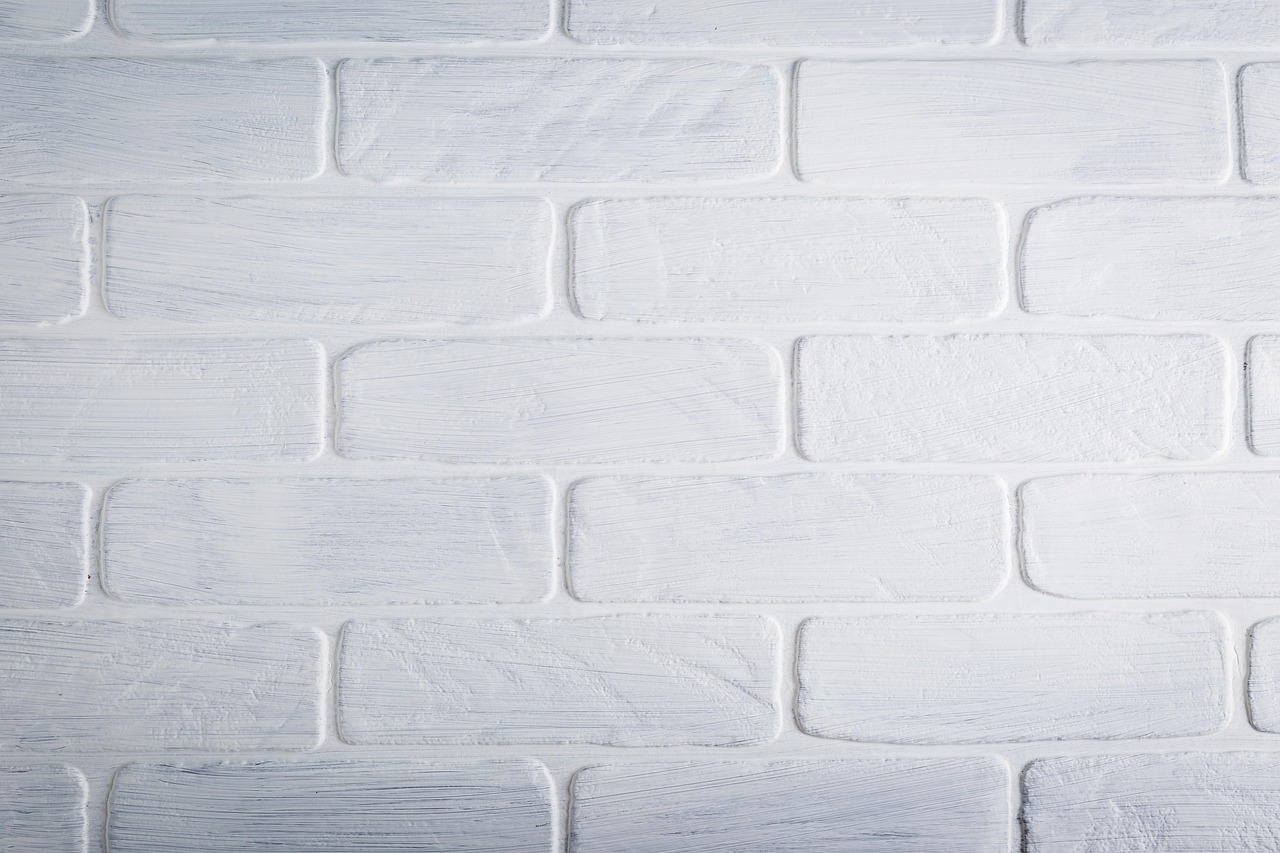
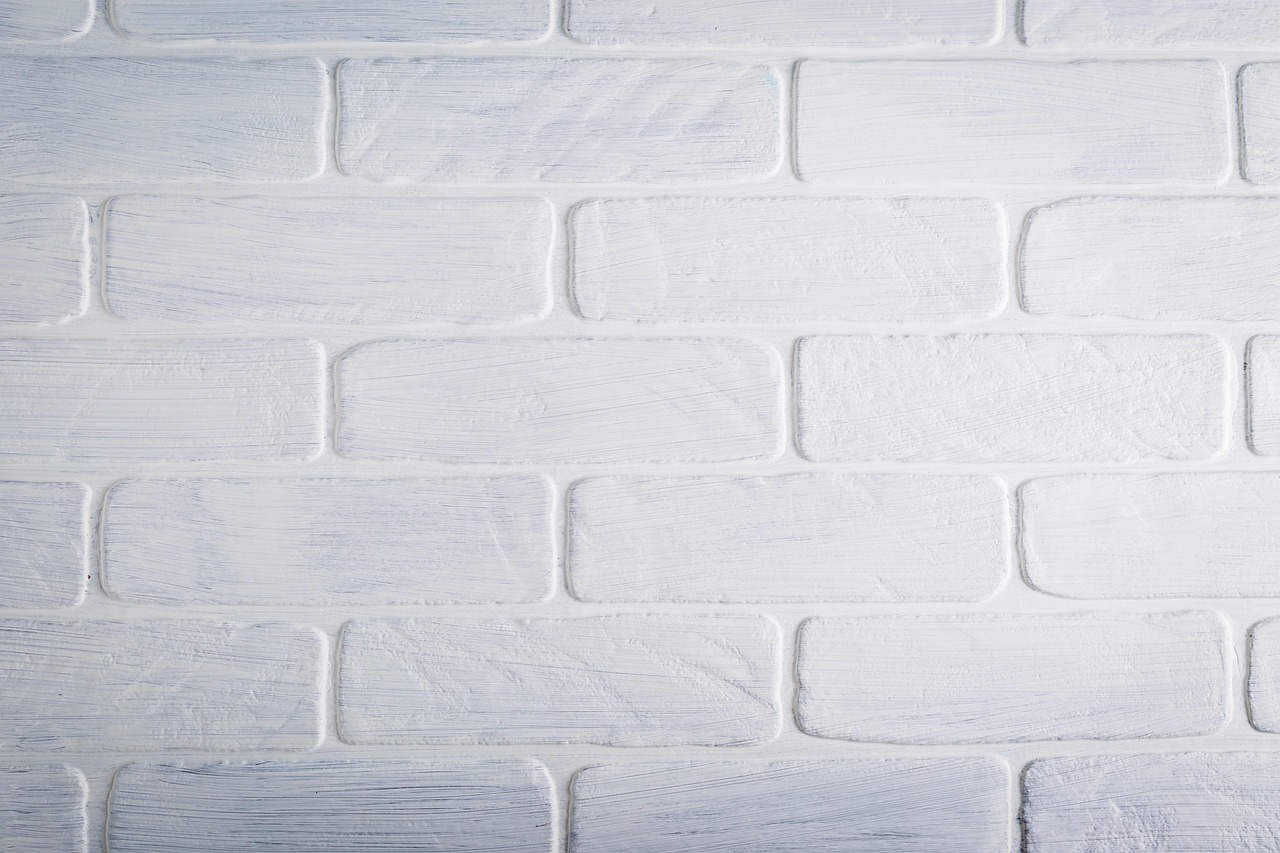
Textured and faux-finish wallpapers replicate expensive materials at fraction of the cost. Options mimicking brick, wood planks, concrete, marble, and linen provide architectural interest and tactile appeal without renovation expenses or permanent commitment.
Step-by-Step Installation Guide for Perfect Results
Proper installation ensures your wallpaper looks professional and lasts as long as possible. Follow these detailed steps for flawless application.
Preparation Is Everything ✨
Clean your walls thoroughly with mild soap and water, removing all dust, grease, and residue. Allow walls to dry completely before proceeding. Any dirt or moisture can prevent proper adhesion and cause bubbling or peeling.
Repair any wall imperfections including holes, cracks, or rough patches. While peel-and-stick wallpaper is more forgiving than paint, significant imperfections will show through and affect the final appearance. Use spackle for holes and sand smooth once dry.
Measure your wall accurately, adding a few extra inches to each measurement for trimming. Calculate how many panels you’ll need, accounting for pattern repeats if applicable. Ordering slightly more than needed prevents issues if you make mistakes or need future repairs.
Application Technique That Guarantees Success
Start in the least visible corner of your room, typically behind a door or in an area that will be partially hidden by furniture. This allows you to perfect your technique where minor imperfections won’t be noticeable.
Peel back approximately 12 inches of backing paper from the top of your first panel. Align the edge carefully with your starting point, ensuring it’s perfectly straight using a level. Press the exposed adhesive section firmly to the wall, smoothing from the center outward to eliminate air bubbles.
Continue peeling backing paper down in sections, smoothing as you go with a wallpaper smoothing tool or credit card wrapped in soft cloth. Work slowly and methodically, taking time to ensure each section adheres properly before moving to the next.
For subsequent panels, match patterns carefully at seams, ensuring designs align perfectly. Butt edges together without overlapping, as overlaps create visible ridges. Use a sharp utility knife to trim excess at ceilings, baseboards, and corners for clean, professional-looking edges.
Tackling Tricky Areas Like a Professional
Certain areas require special techniques to achieve perfect results. Understanding how to handle these challenges separates amateur from professional-looking installations.
Windows and Doors
When encountering windows or doors, apply wallpaper over the opening as if it weren’t there. Once secured, use a sharp utility knife to cut an X from corner to corner of the opening. Fold excess wallpaper into the frame, trimming as needed, or cut away completely depending on your preference and the specific situation.
Electrical Outlets and Switches
Always turn off electricity to the room before working around outlets or switches. Remove cover plates before applying wallpaper. Once wallpaper is in place over the outlet box, carefully feel for the opening and cut an X slightly smaller than the opening. Trim excess and replace the cover plate.
Inside and Outside Corners
For inside corners, overlap wallpaper slightly onto the adjacent wall rather than trying to fit perfectly into the corner crease. Start your next panel in the corner, overlapping the previous piece slightly. For outside corners, wrap wallpaper around the edge approximately one inch, then start your next panel on the adjacent wall, overlapping slightly.
🔧 Maintenance Tips for Long-Lasting Beauty
Proper care extends the life of your peel-and-stick wallpaper and keeps it looking fresh for years.
Clean your wallpaper regularly with a soft, damp cloth and mild soap solution. Avoid harsh chemicals, abrasive cleaners, or excessive moisture that might compromise the adhesive. For stubborn marks, try a magic eraser used gently, testing first in an inconspicuous area.
Address peeling edges immediately to prevent the problem from spreading. If edges begin lifting, carefully peel back the section, clean the wall and wallpaper backing with a damp cloth, allow both to dry completely, then reapply, pressing firmly. For persistent problems, a small amount of wallpaper adhesive applied with a cotton swab can reinforce problematic areas.
Protect high-traffic areas where wallpaper might experience regular contact. Consider applying clear corner guards in hallways or installing chair rails to prevent furniture damage. These preventive measures significantly extend wallpaper life in busy households.
Creative Applications Beyond Traditional Walls
Peel-and-stick wallpaper’s versatility extends far beyond accent walls, offering creative possibilities throughout your home.
Transform furniture pieces with removable wallpaper for instant updates. Dresser drawer fronts, cabinet doors, bookshelf backs, and table tops become design features with strategic wallpaper application. This approach breathes new life into tired furniture without expensive refinishing or permanent alterations.
Create stunning ceiling treatments that draw the eye upward and add unexpected visual interest. Often called the “fifth wall,” ceilings offer overlooked design opportunities. Wallpapered ceilings work particularly well in powder rooms, closets, or children’s rooms where dramatic impact is desired in contained spaces.
Line shelving and drawers with coordinating wallpaper patterns for beautiful organizational systems. This small detail adds sophistication and personality while protecting surfaces from scratches and wear. The removable nature makes it easy to refresh when you’re ready for change.
Budget-Friendly Strategies for Maximum Impact 💰
Achieving stunning results doesn’t require unlimited budgets when you approach projects strategically.
Focus on accent walls rather than entire rooms to dramatically reduce material costs while still creating significant visual impact. Choose the wall that naturally draws attention—typically the one you see when entering the room or the wall behind your bed or sofa.
Mix wallpapered areas with painted walls in complementary colors. This approach stretches your wallpaper budget further while creating sophisticated, layered design schemes. Select paint colors that pick up accent shades from your wallpaper pattern for cohesive results.
Watch for sales, discontinued patterns, and sample sizes that retailers often discount significantly. Many companies offer sample sizes perfect for small projects like furniture makeovers or powder rooms at fraction of regular prices. Sign up for retailer newsletters to receive notifications about promotions and clearance events.
Common Mistakes to Avoid for Stress-Free Installation
Learning from others’ mistakes saves time, money, and frustration during your wallpaper project.
Rushing the preparation phase represents the most common error. Inadequately cleaned or improperly repaired walls lead to poor adhesion, visible imperfections, and disappointing results. Invest adequate time in preparation for professional-looking outcomes that last.
Failing to account for pattern repeats when ordering causes material shortages mid-project. Always calculate requirements based on pattern repeat measurements, adding extra for matching and mistakes. Running short of wallpaper mid-project can delay completion and potentially result in color variations if reordering from different production batches.
Working too quickly during application creates air bubbles, misaligned patterns, and wrinkles. Take your time, work methodically, and don’t hesitate to carefully peel and reposition if something isn’t right. The removable nature of these products allows for adjustments, so use that advantage.
Removal Process: Leaving No Trace Behind
When you’re ready for change, proper removal ensures walls remain undamaged and ready for new treatments.
Start at a corner or seam, gently lifting the edge of your wallpaper. Pull slowly at a 45-degree angle, keeping tension consistent. The wallpaper should release cleanly without tearing or leaving residue. If you encounter resistance, use a hair dryer on low heat to warm the adhesive slightly, making removal easier.
For any adhesive residue that remains, use warm water and mild soap to gently clean the wall. Most quality peel-and-stick wallpapers leave no residue, but if needed, adhesive removers designed for delicate surfaces can eliminate stubborn spots without damaging paint.
Inspect walls after removal for any damage that might need repair before painting or applying new wallpaper. Touch up paint if necessary, and ensure walls are completely clean and dry before beginning your next decorating project.
🌟 Transforming Different Rooms with Purpose
Each room in your home presents unique opportunities and considerations for wallpaper applications.
Living rooms benefit from sophisticated patterns that reflect your personal style while creating inviting atmospheres for guests. Consider feature walls behind sofas or entertainment centers, using patterns that complement your overall color scheme without overwhelming the space where you spend significant time.
Bedrooms offer excellent opportunities for bold design choices since they’re private spaces reflecting personal taste. Calming colors and patterns promote restful environments, though accent walls behind beds can handle more dramatic designs that might overwhelm if used throughout the entire room.
Bathrooms and kitchens require moisture-resistant vinyl options that withstand humidity and occasional splashes. These spaces benefit tremendously from wallpaper’s ability to add personality and style to typically utilitarian rooms. Focus on areas away from direct water contact for best longevity.
Children’s rooms represent ideal candidates for removable wallpaper since kids’ preferences evolve rapidly. Choose whimsical patterns they’ll love now, knowing you can easily update as their tastes mature without significant expense or commitment.
Embracing Your Design Vision with Confidence
Peel-and-stick wallpaper democratizes interior design, making professional-looking transformations accessible to everyone regardless of experience or budget. The combination of stunning design options, user-friendly installation, and reversible application removes traditional barriers that previously made wallpaper intimidating or impractical for many homeowners and renters.
Your space deserves to reflect your personality, style, and the way you want to feel in your home. Whether you’re drawn to bold geometrics, soothing botanicals, or sophisticated textures, the perfect wallpaper exists to bring your vision to life. The beauty lies in knowing that if your tastes change or you’re ready for something new, transformation requires only an afternoon rather than major renovation.
Start small if you’re hesitant—a powder room, closet, or single accent wall provides perfect opportunity to experiment with this versatile decorating solution. As you gain confidence and see the remarkable results achievable with minimal effort, you’ll likely find yourself eyeing other spaces ready for similar transformations. The ultimate power of peel-and-stick wallpaper lies not just in the beautiful spaces it creates, but in the creative freedom and design confidence it provides to transform your home exactly as you envision it.