
Creating distinct zones within your home has never been easier. Temporary room dividers offer an elegant solution for transforming open spaces into functional, private areas without permanent construction or costly renovations.

Whether you’re working from home in a studio apartment, need privacy in a shared bedroom, or want to create separate living areas in an open-floor plan, temporary room dividers provide flexibility and style. These versatile solutions allow you to reconfigure your space as your needs change, making them perfect for renters, homeowners, and anyone seeking adaptable interior design options.
🏠 Why Temporary Room Dividers Are Game-Changers for Modern Living
The contemporary lifestyle demands flexibility in our living spaces. Temporary room dividers answer this call by offering solutions that are both practical and aesthetically pleasing. Unlike permanent walls, these dividers can be moved, adjusted, or removed entirely, giving you complete control over your environment.
The benefits extend beyond simple space division. These panels can enhance acoustics, provide additional storage, improve privacy, and serve as striking design elements that elevate your interior décor. For renters especially, temporary dividers offer the opportunity to customize living spaces without violating lease agreements or losing security deposits.
Modern room dividers have evolved significantly from basic folding screens. Today’s options incorporate innovative materials, multifunctional features, and designs that complement various aesthetic preferences, from minimalist Scandinavian to bohemian chic and industrial modern.
📋 Types of Temporary Room Dividers for Every Space and Style
Folding Screen Dividers
Classic folding screens remain one of the most popular temporary divider options. These portable panels typically consist of three to six connected sections that fold accordion-style for easy storage and transport. Available in countless materials including wood, fabric, metal, and woven natural fibers, folding screens can complement any décor style.
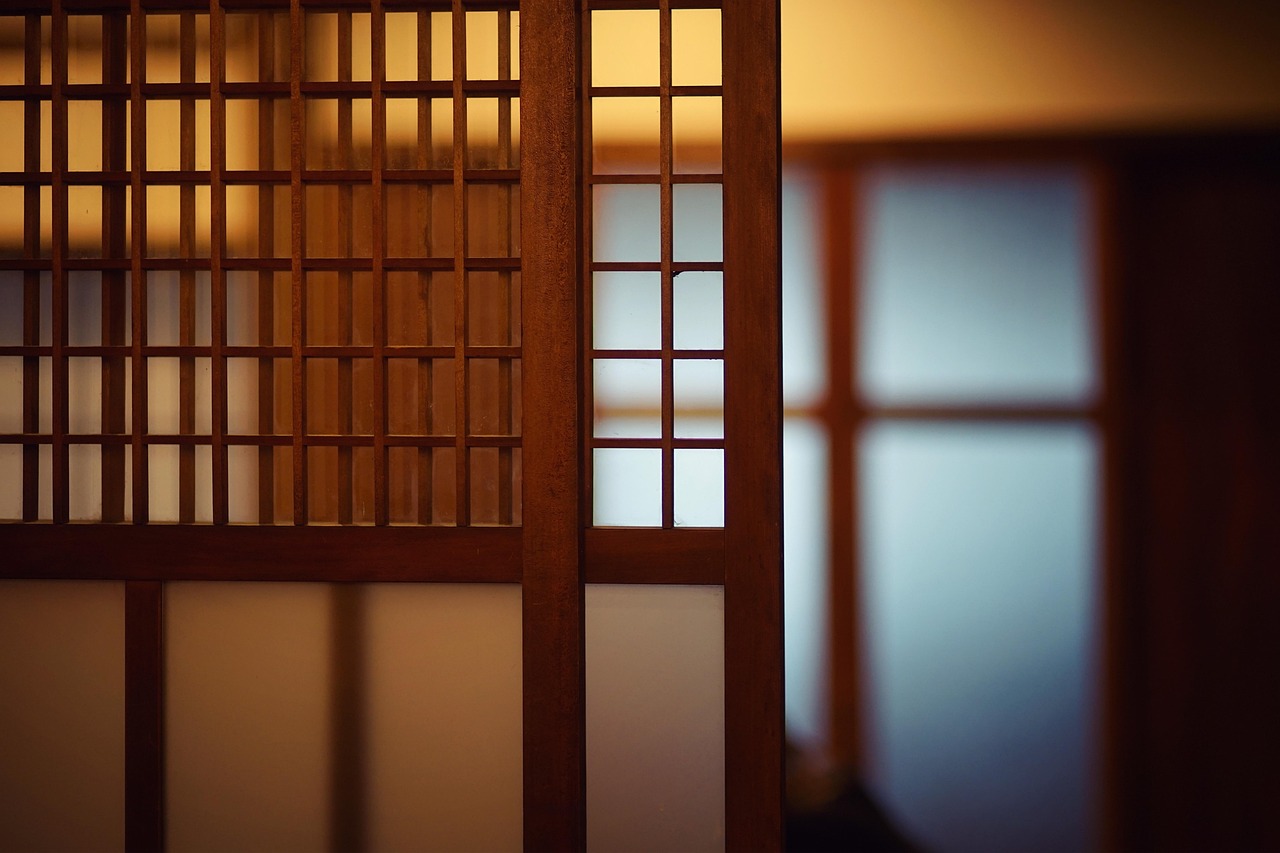
The versatility of folding screens makes them ideal for renters and frequent redecorators. They require no installation, work on any floor type, and can be repositioned within seconds. Many feature decorative patterns, artwork, or cutout designs that allow light to filter through while maintaining visual separation.
Hanging Panel Systems
Ceiling-mounted or tension rod systems with hanging fabric panels create flowing, elegant divisions in your space. These systems work particularly well in rooms with high ceilings and can extend from ceiling to floor or hang at various lengths depending on your privacy needs.
Fabric panels offer soundproofing benefits and come in countless colors, patterns, and textures. From sheer curtains that maintain visual continuity while defining spaces to heavy drapes that provide complete privacy, hanging systems deliver both function and beauty. The panels can be drawn aside when you want an open concept and closed when separation is needed.
Bookshelf and Storage Dividers
Double-duty furniture pieces that serve as both storage and space dividers maximize functionality in smaller homes. Open shelving units create visual boundaries while maintaining an airy feel and allowing light to pass through. These freestanding bookcases require no wall attachment and can be moved as needed.
Storage dividers offer practical organization opportunities while defining separate zones. Display books, plants, decorative objects, or storage baskets on shelves facing both sides of the divider, making every inch count. Some units include backs or alternate between open and closed storage sections for varied privacy levels.
Sliding Track Systems
For a more polished, architectural look, sliding panel track systems mounted to the ceiling provide smooth operation and modern aesthetics. While requiring minimal installation, these systems remain temporary and removable without significant damage to your space.
Sliding panels work exceptionally well for creating flexible home offices, separating sleeping areas in studio apartments, or concealing storage spaces. They operate silently and effortlessly, and the panels can be customized with various materials including frosted acrylic, wood, fabric, or even whiteboard surfaces for added functionality.
Plant and Natural Dividers
Biophilic design continues trending, making plant dividers an attractive option for nature lovers. Tall plants arranged in a row, vertical garden walls, or specially designed plant stands create living boundaries that improve air quality while dividing space.
These green dividers work best in areas with adequate natural light and add wellness benefits alongside spatial definition. Popular choices include bamboo plants, snake plants, pothos on tall stands, and fiddle leaf figs. Mobile plant stands with wheels make repositioning easy when cleaning or rearranging.
🎨 Choosing the Right Divider for Your Specific Needs
Considering Your Space Dimensions
Before selecting a room divider, carefully measure your space including ceiling height, floor area, and the specific zone you want to create. Standard folding screens typically stand between 5.5 to 6 feet tall, which works for most residential applications but may feel short in lofts or homes with vaulted ceilings.
For small apartments and studios, lightweight options that don’t overwhelm the space work best. Consider semi-transparent or open designs that maintain visual flow while providing necessary separation. Larger homes with expansive open plans can accommodate more substantial dividers including multiple-panel systems or wide bookshelf units.
Privacy Versus Light Flow
Determine whether you need complete privacy or simply visual separation. Home offices often require solid panels that minimize distractions and create psychological boundaries for focused work. Bedrooms typically need full privacy solutions, while living areas might benefit from translucent or open designs that define zones without blocking natural light.
Layering different divider types can provide adjustable privacy levels. For example, combine a semi-open bookshelf with curtain panels that can be drawn when privacy is needed but left open to maintain an airy feel during daytime hours.
Aesthetic Integration
Your room divider should complement existing décor rather than clash with it. Consider your color palette, design style, and furniture finishes when selecting materials and patterns. A rustic woven screen might feel out of place in an ultra-modern minimalist apartment, while sleek metal panels could appear cold in a cozy, traditional space.
Room dividers offer opportunities to introduce accent colors, interesting textures, or statement pieces that enhance your overall design. They can become focal points rather than purely functional elements when chosen thoughtfully.
💡 Creative Ways to Use Temporary Room Dividers
Home Office Creation
Remote work demands dedicated workspace, even in compact homes. Position a room divider behind your desk to create a professional video conference background while psychologically separating work from leisure areas. This boundary helps maintain work-life balance and increases productivity by minimizing household distractions.
Choose dividers with built-in features like magnetic boards, cork surfaces, or pockets for organizing office supplies. At day’s end, the divider creates a visual barrier that helps you “leave work” even when your office is steps from your living room.
Guest Room Flexibility
Transform any room into temporary guest quarters using portable dividers. Section off part of a living room, home office, or large bedroom to create private sleeping areas when visitors arrive, then remove or fold away the divider when they leave.
Pair a solid divider with a daybed or fold-out couch to maximize flexibility. Your multipurpose room serves daily functions most of the time but converts quickly for hosting without dedicating an entire room to occasional guests.
Children’s Space Management
Dividers help create designated zones within shared children’s bedrooms, giving each child personal territory. Separate sleeping areas from play zones, or divide homework spaces from leisure areas to encourage better focus and reduce sibling conflicts.
As children grow and their needs change, temporary dividers adapt accordingly. A toddler’s play area becomes a tween’s study nook simply by repositioning the divider and rearranging furniture, avoiding costly room renovations.
Concealing Storage and Utilities
Hide laundry areas, exercise equipment, storage shelves, or utility zones behind attractive dividers. This approach maintains clean sightlines in open-concept spaces while keeping necessary but unsightly items accessible.
Folding screens positioned in front of coat racks or shoe storage in entryways create tidy first impressions. In bedrooms, dividers can conceal closet areas in homes lacking proper closet doors, protecting clothes from dust while improving visual appeal.
🛠️ Installation and Positioning Tips for Maximum Impact
Stability and Safety Considerations
While temporary dividers don’t require permanent installation, ensuring stability prevents accidents and damage. Freestanding units should have wide, sturdy bases to prevent tipping. In homes with children or pets, secure taller pieces using furniture safety straps attached to walls or heavier furniture.
For ceiling-mounted systems, locate studs or use appropriate anchors rated for the divider’s weight. Even temporary installations should be secure enough to withstand daily use without risk of collapse or damage.
Optimizing Traffic Flow
Position dividers to define spaces without creating awkward navigation paths. Maintain clear walkways at least 30 inches wide, and ensure dividers don’t block doorways, create blind corners, or interfere with furniture functionality.
Consider how dividers affect movement throughout your home during different activities. A divider that works perfectly when you’re working from home might obstruct the flow when entertaining guests, so choose movable options that can be temporarily relocated.
Lighting Considerations
Room dividers inevitably affect light distribution in your space. Position them to avoid blocking windows whenever possible, or choose translucent materials that allow light penetration. Add supplemental lighting to areas that become darker after divider placement, using floor lamps, table lamps, or string lights.
Strategic divider placement can actually improve lighting in some situations by reflecting or diffusing harsh light, creating softer, more pleasant illumination throughout your space.
🌟 Styling Your Room Dividers for Visual Appeal
Decorative Enhancement Ideas
Transform basic dividers into design features with creative styling. Drape string lights across folding screens for ambient evening glow. Hang artwork, mirrors, or floating shelves on one side of solid dividers to maximize their visual contribution. Attach fabric to plain panels using velcro strips for easily changeable patterns and colors.
For open bookshelf dividers, curate displayed items thoughtfully with varying heights, colors, and textures. Mix books with plants, decorative objects, and storage baskets to create visual interest from both sides.
Seasonal Updates
Temporary dividers offer opportunities for seasonal décor changes without major effort. Swap curtain panels in hanging systems to reflect seasons—light, airy fabrics for spring and summer, heavier textures for fall and winter. Add seasonal decorations to shelving units or drape garlands across screens during holidays.
This flexibility keeps your space feeling fresh and current without investing in new furniture or permanent fixtures.
💰 Budget-Friendly DIY Room Divider Projects
Repurposed Materials
Creative DIY dividers can be crafted from repurposed items at minimal cost. Old doors hinged together create charming vintage screens. Wooden pallets sanded and treated make rustic industrial dividers. Fabric stretched over simple wooden frames produces custom panels perfectly matched to your décor.
Large macramé wall hangings suspended from ceiling hooks or tension rods create bohemian-style divisions. String curtains made from beads, yarn, or even paper create whimsical separations ideal for casual spaces.
Affordable Store-Bought Options
Quality room dividers don’t require enormous budgets. Simple folding screens start around $50-100, while basic bookshelf units suitable for dividers can be found at similar price points. Tension rod systems with fabric panels offer professional results for under $100 when using affordable curtain materials.
Watch for sales at home goods retailers, check secondhand marketplaces for gently used dividers, or explore discount stores that often carry surprisingly stylish options at fraction of premium prices.
🔄 Adapting Dividers as Your Needs Evolve
The beauty of temporary room dividers lies in their adaptability. As your life circumstances change—welcoming a new baby, starting a home business, having children move out, or simply wanting to refresh your space—your dividers can be repositioned, repurposed, or replaced without the hassle and expense of construction.
This flexibility makes temporary dividers smart investments that deliver value over many years across multiple uses. A divider that initially created a nursery nook might later separate a home gym area, then eventually define a craft space or reading corner.
Consider this long-term versatility when selecting dividers, choosing options with timeless appeal and neutral designs that work across various applications rather than highly specific styles that limit future uses.
🌈 Making Your Divided Space Feel Cohesive
Color Coordination
Maintain visual unity across divided spaces through thoughtful color coordination. Repeat accent colors from one zone in the adjacent area to create flow despite physical separation. Use the divider itself as a transition element, incorporating colors from both spaces.
Neutral dividers work universally and allow surrounding areas to feature bolder colors without visual clash. Alternatively, make the divider a statement piece in an accent color that ties together more subdued surrounding spaces.
Flooring and Rugs
Area rugs help define separate zones on either side of dividers while maintaining connection through coordinated styles, patterns, or colors. In open-concept spaces, different rugs in each zone reinforce the division created by your panels while flooring continuity beneath maintains overall coherence.
Consider how flooring transitions affect divider placement. Position dividers at natural breaks between different flooring materials when possible, or use rugs to create virtual boundaries that align with your divider’s position.
✨ Maximizing Small Space Function with Smart Dividers
Small apartments and studios benefit tremendously from strategic room division. Creating distinct zones for sleeping, working, and living makes compact spaces feel larger and more organized. The key is choosing dividers that define without overwhelming.
Opt for vertical emphasis with tall, narrow dividers that draw the eye upward, making ceilings feel higher. Choose light colors and translucent materials that maintain brightness. Multi-functional options like storage dividers eliminate the need for additional furniture, preserving precious floor space.
Mirror-backed dividers reflect light and create the illusion of expanded space while providing necessary privacy and separation. This clever solution works beautifully in studios where every design choice must maximize both function and perceived spaciousness.
🎯 Finding Your Perfect Temporary Room Divider Solution
Transforming your space with temporary room dividers offers endless possibilities for customization, flexibility, and style enhancement. Whether you need privacy in a shared room, want to create a dedicated workspace, or simply desire more defined zones in an open floor plan, the right divider makes all the difference.
Assess your specific needs considering privacy requirements, aesthetic preferences, budget constraints, and long-term versatility. Don’t hesitate to experiment with different options—the temporary nature of these solutions means you can try various configurations until discovering what works best for your lifestyle.
The investment in quality room dividers pays dividends through improved functionality, enhanced comfort, and the ability to continually reimagine your space as your needs evolve. Start with one divider to test the concept, then expand your spatial solutions as you discover how transformative these versatile elements can be.
Your home should work for you, adapting to support your daily activities and personal preferences. Temporary room dividers empower you to take control of your environment, creating the perfect space for every aspect of your life without permanent commitment or major expense. Transform your space today and enjoy the flexibility of truly adaptable living.