
Transforming a rented space into a home that reflects your personality can feel overwhelming. With the right planning approach and tools, you can create a stylish, functional living environment that feels completely yours.

Renters face unique challenges when decorating and organizing their spaces. You can’t always paint walls, knock down barriers, or make permanent modifications. Yet, your rental deserves to be more than just a temporary stopover—it should be a sanctuary that supports your lifestyle, inspires creativity, and brings daily joy without risking your security deposit.
The secret to successful rental transformation lies in strategic planning before you move a single piece of furniture. A comprehensive room planning worksheet becomes your roadmap, helping you maximize every square foot while maintaining the flexibility renters need. This approach saves time, money, and the frustration of rearranging furniture multiple times until it feels right.
🏠 Why Every Renter Needs a Room Planning Worksheet
Before diving into furniture shopping or Pinterest boards, understanding why intentional planning matters will change your entire approach to rental living. A room planning worksheet serves as your design blueprint, preventing costly mistakes and ensuring every decision moves you toward your ideal space.
Most people skip this crucial step and jump straight to decorating, which leads to purchasing items that don’t fit, creating awkward traffic flows, or ending up with rooms that look cluttered despite having minimal furniture. A worksheet eliminates these common pitfalls by forcing you to consider measurements, functionality, and aesthetics before committing to purchases.
Room planning worksheets also help you identify non-negotiable elements versus nice-to-have features. This distinction becomes invaluable when working within rental constraints and budget limitations. You’ll prioritize what truly matters for your daily life rather than following trends that don’t suit your actual needs.
📏 Taking Accurate Measurements: The Foundation of Smart Planning
Your room planning journey begins with precise measurements. Grab a measuring tape, notepad, and dedicate time to documenting every dimension of your rental space. This step cannot be rushed or estimated—accuracy here determines whether your carefully chosen furniture will actually fit through doorways and function properly in the space.
Start by measuring the length and width of each room, then document ceiling heights. Don’t forget to measure doorway widths and heights, window placements and sizes, and the location of electrical outlets, light switches, and heating vents. These details seem minor but become critical when positioning furniture and planning lighting solutions.
Essential Measurements to Record
- Overall room dimensions (length × width × height)
- Doorway and hallway widths for furniture delivery
- Window dimensions and distance from floor
- Built-in features like closets, radiators, or alcoves
- Electrical outlet and cable jack locations
- Natural light sources and their direction throughout the day
- Architectural features such as columns, sloped ceilings, or exposed beams
Create a rough sketch of each room’s floor plan, marking these measurements clearly. This visual reference becomes invaluable when shopping for furniture online or in stores. Many retailers provide furniture dimensions, allowing you to compare them against your space before purchasing.
🎨 Defining Your Style and Functional Needs
With measurements documented, shift focus to the aesthetic and practical aspects of your space. Your room planning worksheet should capture both your design preferences and how you actually use each room. This dual focus ensures your rental becomes both beautiful and livable.
Begin by creating a mood board—either physical or digital—that represents your ideal aesthetic. Collect images from design magazines, Instagram, or Pinterest that resonate with you. Look for patterns in colors, textures, furniture styles, and overall atmospheres. Are you drawn to minimalist Scandinavian designs, bohemian eclecticism, industrial lofts, or cozy cottagecore vibes?
Next, honestly assess how you live in your space. Do you work from home and need a functional office area? Are you an avid cook who needs kitchen storage solutions? Do you entertain frequently or prefer quiet nights in? Your lifestyle should dictate your design choices more than any trend.
Lifestyle Questions for Your Worksheet
- How many people live in the space regularly?
- Do you work from home? How many hours daily?
- What hobbies or activities happen at home?
- How often do you host guests overnight or for meals?
- What storage needs do you have (clothing, books, kitchen items, sports equipment)?
- Do you have pets that require specific accommodations?
- What time of day do you use each room most frequently?
💡 Creating Functional Zones in Open Spaces
Modern rentals often feature open-concept layouts that combine living, dining, and kitchen areas. While these spaces feel larger and brighter, they require thoughtful zoning to function properly. Your room planning worksheet should designate specific purposes for different areas within open spaces.
Use furniture placement, area rugs, and lighting to create visual boundaries between zones. A sofa can define the living area’s edge, while a rug anchors the dining space. Bookcases or open shelving units work as room dividers that maintain sight lines while creating distinct functional areas.
Consider traffic flow when establishing zones. Ensure clear pathways between areas so movement feels natural rather than obstructed. The ideal walking path should be at least 30 inches wide, with 36-48 inches being more comfortable for frequently used routes.
🛋️ Selecting Renter-Friendly Furniture Solutions
Furniture choices for rental spaces require strategic thinking. You need pieces that fit your current space but remain versatile enough for future moves. Multi-functional furniture becomes your best friend, offering maximum utility from minimum pieces.
Prioritize quality over quantity. Investing in a few excellent pieces that you truly love beats filling your space with cheap furniture that you’ll replace within a year. Look for timeless designs in neutral colors that work across different decorating schemes and adapt as your style evolves.
Smart Furniture Investments for Renters
| Furniture Type | Features to Seek | Renter Benefits |
|---|---|---|
| Modular Sofas | Separate sections, movable pieces | Reconfigure for different spaces |
| Storage Ottomans | Hidden compartments, serves as seating | Maximizes space, multi-functional |
| Console Tables | Narrow profile, multiple heights available | Works as desk, dining table, or entryway piece |
| Open Shelving Units | Backless design, adjustable shelves | Room dividers that maintain light flow |
| Nesting Tables | Multiple sizes that stack together | Flexible surface area, easy storage |
Document your furniture wishlist in your planning worksheet with specific dimensions. Before purchasing, use painter’s tape on the floor to outline where each piece will sit. This visualization technique helps you understand scale and proportion before committing to purchases.
🎭 Personalizing Without Permanent Changes
Rental restrictions shouldn’t limit your ability to create a personalized, stylish home. Countless temporary solutions allow you to express your personality while keeping your security deposit intact. Your room planning worksheet should include a section dedicated to renter-friendly customization ideas.
Removable wallpaper has revolutionized rental decorating, offering thousands of patterns and textures that install easily and remove without damage. Use it on accent walls, inside bookcases, or even on furniture pieces to create custom looks. Similarly, peel-and-stick floor tiles can transform outdated flooring without permanent alterations.
Command strips and hooks rated for appropriate weights enable you to hang artwork, mirrors, and shelving without nails. Create gallery walls that feel curated and intentional, reflecting your interests and experiences. Lean larger artwork against walls or on shelves if you prefer avoiding wall attachments entirely.
Temporary Customization Techniques
- Removable wallpaper for accent walls and surfaces
- Peel-and-stick backsplash tiles for kitchens and bathrooms
- Tension rods for curtains that don’t require drilling
- Free-standing room dividers and screens
- Area rugs to define spaces and cover less-than-ideal flooring
- Temporary light fixtures that plug into existing outlets
- Furniture wraps and contact paper for customizing existing pieces
💰 Budget Planning and Prioritization Strategy
Financial planning is essential for transforming your rental without overspending. Your room planning worksheet needs a comprehensive budget section that tracks expenses and helps you prioritize purchases over time. Not everything needs to happen at once—phased implementation often leads to better decisions.
Allocate your budget across categories: furniture, decor, organizational solutions, and temporary modifications. Research price ranges for items on your wishlist to create realistic expectations. Consider the 60-30-10 rule: spend 60% on foundational furniture pieces, 30% on mid-range items like lighting and textiles, and 10% on decorative accessories.
Identify which items you can source secondhand through thrift stores, estate sales, or online marketplaces. Vintage and used furniture often features better construction quality than modern budget pieces, plus they add unique character that mass-produced items lack. Just ensure measurements work for your space before purchasing.
📱 Digital Tools That Enhance Room Planning
Technology offers powerful resources for visualizing your space before making changes. Room planning apps allow you to create accurate floor plans, experiment with furniture arrangements, and preview color schemes. These digital tools complement your physical worksheet, providing interactive ways to test ideas.
Several applications enable you to photograph your existing space and virtually place furniture within it, giving realistic previews of how items will look at proper scale. This feature prevents the common mistake of purchasing furniture that overwhelms or underwhelms the room when it arrives.
Apps like Homestyler provide extensive furniture catalogs from real retailers, letting you design rooms with actual products you can purchase. You’ll create floor plans, adjust wall colors, change flooring, and add decor elements—all before spending a penny on physical items.
🌿 Incorporating Plants and Natural Elements
Living plants breathe life into rental spaces, literally improving air quality while adding organic beauty. Your room planning worksheet should identify ideal locations for plants based on natural light availability. Different plants thrive in varying conditions, so match species to each room’s specific environment.
Beyond aesthetics, plants create psychological benefits, reducing stress and increasing focus. Position plants strategically where you’ll see them regularly—near work areas, beside reading nooks, or as dining table centerpieces. Use plant stands and hanging planters to add greenery without consuming valuable floor space.
If natural light is limited, consider low-light tolerant plants like pothos, snake plants, or ZZ plants. Alternatively, high-quality artificial plants have become remarkably realistic, offering botanical beauty without maintenance requirements.
✨ Lighting Strategies for Ambiance and Function
Lighting dramatically impacts how your space looks and feels, yet it’s often overlooked in room planning. Your worksheet should map out lighting needs for different activities and times of day. Rentals typically come with basic overhead fixtures that provide adequate illumination but create harsh, unflattering environments.
Layer lighting using three types: ambient (overall illumination), task (focused light for specific activities), and accent (decorative lighting that highlights features). This approach creates depth, dimension, and flexibility to adjust lighting based on mood and need.
Floor lamps, table lamps, and plug-in wall sconces supplement existing overhead lights without requiring electrical work. Smart bulbs offer another renter-friendly option, allowing you to adjust color temperature and brightness through smartphone apps, creating customized lighting scenes for different occasions.
🧹 Organizational Systems That Maximize Space
Effective organization makes small rentals feel larger and more functional. Your room planning worksheet should include storage assessments for each area, identifying what items need homes and where logical storage solutions fit. Visible clutter makes any space feel chaotic, regardless of how beautifully it’s decorated.
Vertical storage solutions capitalize on unused wall space, keeping floors clear and rooms feeling open. Floating shelves, wall-mounted cabinets, and over-door organizers provide substantial storage without consuming floor space. Look for furniture with built-in storage—beds with drawers underneath, coffee tables with shelves, benches with lift-up seats.
Implement organizational systems within closets, cabinets, and drawers to maximize their capacity. Drawer dividers, shelf risers, and hanging organizers create designated spots for every item, making it easier to maintain order long-term.
🔄 Adapting Your Plan as Needs Change
Your room planning worksheet isn’t a static document—it evolves as your life changes. Review and update it seasonally, adjusting for new needs, different work arrangements, or shifting lifestyle priorities. This flexibility ensures your space continues serving you rather than feeling stuck in an outdated configuration.
As you live in your space, you’ll discover what works beautifully and what needs adjustment. Maybe that chair looks perfect but sits unused, or perhaps you need more surface space for hobbies than initially anticipated. Permission to adjust your plan based on real-life experience leads to a more authentically functional home.
Keep notes in your worksheet about what you love and what frustrates you. These observations guide future decisions, whether you’re rearranging your current rental or preparing for your next move.
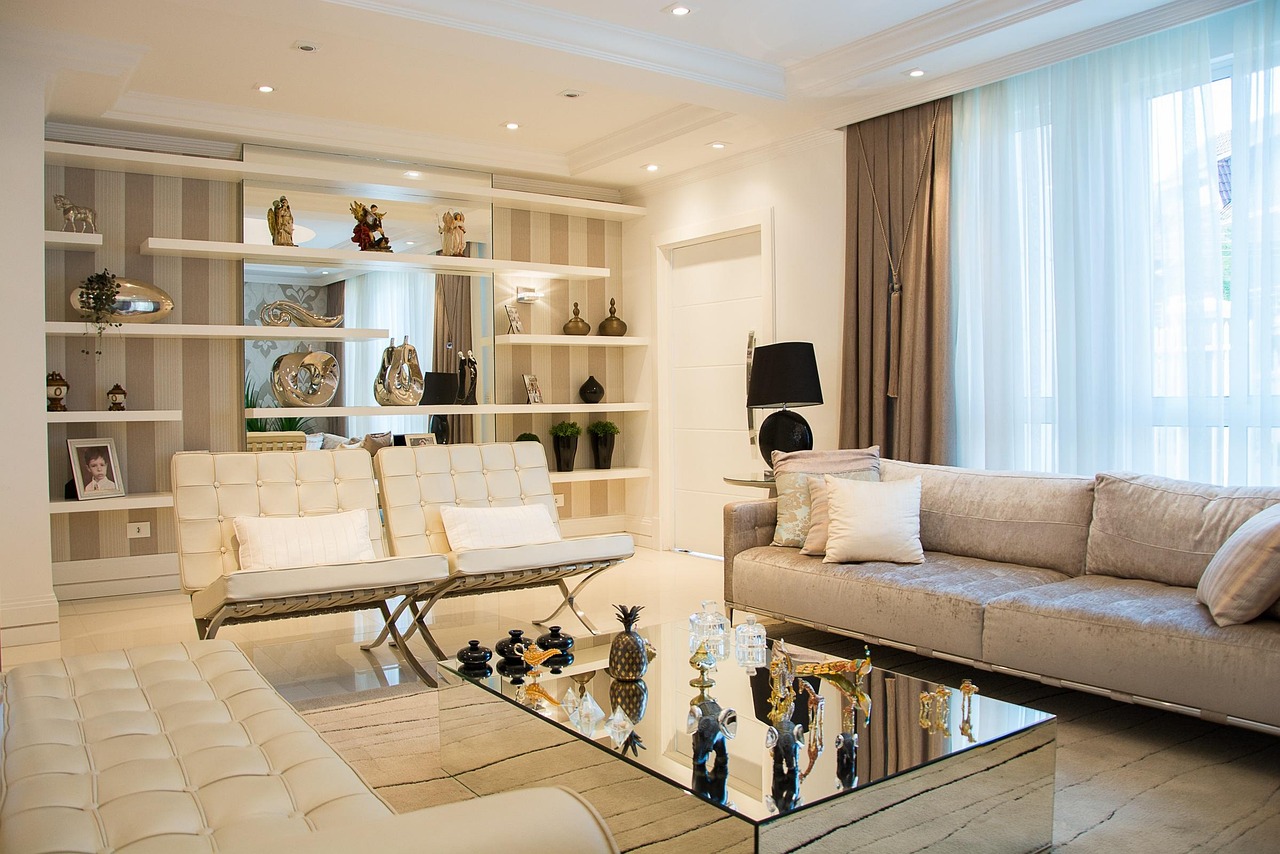
🎯 Bringing Your Vision to Life: Implementation Timeline
With your comprehensive room planning worksheet complete, create a realistic implementation timeline. Breaking the transformation into manageable phases prevents overwhelm and allows you to spread costs over time. Start with essentials that impact daily comfort, then gradually add decorative elements that enhance aesthetics.
Phase one should address foundational furniture—bed, seating, dining surface, and essential storage. Phase two incorporates lighting improvements, window treatments, and organizational systems. Phase three adds personality through artwork, plants, textiles, and decorative accessories.
Document your progress with photos, noting what you’ve accomplished and what remains. This visual timeline becomes incredibly satisfying, showing how strategic planning transforms an empty rental into a personalized, functional home. Your worksheet becomes a reference tool you can refine and reuse for future living spaces, making each move smoother than the last.
Remember that creating your ideal home is a journey, not a destination. Every thoughtful choice you make moves you closer to a space that supports your life beautifully. With your room planning worksheet as your guide, you’re equipped to transform any rental into a stylish, functional sanctuary that truly feels like home. 🏡