
Creating a well-organized and functional space begins with accurate measurements and thoughtful planning. Whether you’re renovating, redecorating, or simply rearranging furniture, proper room measurement is the foundation of successful interior design.

Understanding your space dimensions allows you to make informed decisions about furniture placement, color schemes, and overall aesthetics. This comprehensive guide will walk you through professional techniques for measuring rooms, planning layouts, and transforming your living spaces with precision and confidence.
📏 Why Accurate Room Measurements Matter More Than You Think
Before diving into any room transformation project, understanding the critical importance of precise measurements can save you countless hours and significant financial resources. Many homeowners rush into furniture purchases only to discover their new sofa doesn’t fit through the doorway or overwhelms the entire room.
Accurate measurements prevent costly mistakes such as ordering custom furniture that doesn’t fit, purchasing area rugs in the wrong dimensions, or creating traffic flow problems that make your space feel cramped and uncomfortable. Professional interior designers never skip this foundational step, and neither should you.
Beyond avoiding purchasing errors, proper measurements enable you to visualize your space effectively. When you know exact dimensions, you can create accurate floor plans, experiment with different furniture arrangements digitally, and make confident decisions about what will truly work in your room.
Essential Tools for Professional-Grade Room Measurement
Equipping yourself with the right measurement tools transforms a potentially frustrating task into a straightforward process. While you don’t need professional surveying equipment, having quality tools ensures accuracy and efficiency.
Traditional Measurement Tools
A reliable tape measure remains the cornerstone of room measurement. Opt for a 25-foot tape measure with a locking mechanism for measuring larger spaces without assistance. The metal tape should be sturdy enough to extend across a room without excessive bending or drooping.
Keep a notebook and pencil handy to record measurements immediately. Digital devices are convenient, but having a physical backup prevents data loss and allows for quick sketching. Graph paper proves invaluable for creating proportional floor plans where each square represents a specific measurement unit.
Modern Digital Solutions 📱
Technology has revolutionized room measurement with laser distance measurers that provide instant, accurate readings with the press of a button. These devices eliminate the need for a second person and significantly reduce measurement errors, especially in larger spaces.
Smartphone applications now offer augmented reality features that can measure rooms using your device’s camera. These apps have become increasingly accurate and provide convenient ways to document spatial information, create floor plans, and even visualize furniture placement before making purchases.
Step-by-Step Room Measurement Techniques
Measuring a room properly involves more than simply recording length and width. A systematic approach ensures you capture all necessary dimensions for comprehensive layout planning.
Starting With the Basics: Wall Measurements
Begin by measuring each wall from corner to corner at floor level. Record these measurements immediately, clearly labeling which wall each dimension represents. For rooms that aren’t perfectly rectangular, measure each wall section separately, noting where angles or irregularities occur.
Always measure twice to confirm accuracy. Small discrepancies of even an inch can compound into significant problems when planning furniture placement or ordering custom pieces. If two measurements differ, take a third measurement to determine the correct dimension.
Measure wall heights at multiple points along each wall. Older homes especially may have variations in ceiling height due to settling or original construction irregularities. Knowing these variations helps when planning floor-to-ceiling installations like built-in shelving or curtain placement.
Capturing Architectural Features
Windows, doors, fireplaces, and built-in features require detailed measurements for effective space planning. For windows, record the width and height of the actual opening, the distance from each side to adjacent corners, and the height from the floor to the window sill and top of the frame.
Door measurements should include the door width, the swing direction, and the clearance radius needed when the door opens. This information prevents furniture placement that would block door operation. Also measure the door height and the width of the door frame or casing.
Radiators, electrical outlets, light switches, and air vents all impact furniture placement. Note their locations on your floor plan, measuring their distance from corners and their height from the floor. These details prevent blocking essential utilities with furniture.
🎨 Creating Functional Floor Plans From Your Measurements
Raw measurements transform into actionable plans through proper floor plan creation. Whether using traditional graph paper or digital design software, accurate floor plans serve as the blueprint for your space transformation.
Choosing Your Planning Method
Graph paper offers a tactile, straightforward approach to floor planning. Assign a scale where each square represents a specific measurement—commonly one square equals one foot or six inches. This method requires no special technology and allows for quick sketching and revision.
Digital floor planning tools provide enhanced functionality with drag-and-drop furniture, automatic dimension calculations, and 3D visualization capabilities. Many online platforms offer free basic versions that include furniture templates, measurement tools, and the ability to save and share your designs.
Adding Furniture Templates to Scale
Once your basic floor plan is complete with all architectural features marked, you can begin experimenting with furniture placement. Accurate furniture dimensions are crucial—measure your existing pieces or obtain exact specifications for items you plan to purchase.
Create scaled templates for each furniture piece, either cutting paper shapes for physical floor plans or using digital furniture libraries. Include not just the furniture footprint but also space needed for drawers to open, chairs to pull out, and comfortable circulation around each piece.
Traffic flow patterns should guide furniture arrangement. Maintain clear pathways at least 30 inches wide for comfortable movement through the space. High-traffic areas may require even wider clearances, particularly in family rooms or kitchens where multiple people move simultaneously.
Optimizing Space Through Strategic Layout Planning
Measurement data becomes truly valuable when applied to creating layouts that enhance both functionality and aesthetics. Strategic planning considers how you actually use the space, not just how furniture might theoretically fit.
Functional Zones Within Single Rooms
Modern living often requires rooms to serve multiple purposes. Open floor plans particularly benefit from defined functional zones. Use your measurements to allocate appropriate square footage to each activity area based on its importance and frequency of use.
In a living room that also serves as a home office, consider dedicating a corner with good natural light to the workspace. Measure to ensure your desk fits comfortably with adequate clearance for your chair while maintaining distinct separation from the relaxation area.
Visual separation techniques like area rugs, lighting variations, or strategically placed furniture can define zones without walls. Your measurements help determine appropriate rug sizes that anchor furniture groupings without overwhelming the space or appearing awkwardly small.
Balancing Proportions and Scale
Furniture scale dramatically impacts how spacious or cramped a room feels. Your measurements reveal the room’s overall size, which should guide furniture scale selection. Oversized sectionals can overwhelm small rooms, while undersized furniture makes large rooms feel empty and unwelcoming.
The general rule suggests furniture should occupy approximately two-thirds of the room’s floor space, leaving one-third open for circulation. This balance creates a furnished, intentional look while maintaining comfortable movement throughout the space.
Vertical space utilization matters as much as floor space. Use ceiling height measurements to plan appropriately scaled artwork, consider tall bookcases or storage solutions, and ensure hanging light fixtures provide adequate clearance while making proper visual impact.
🛋️ Room-Specific Measurement Considerations
Different rooms present unique measurement challenges and planning considerations. Tailoring your approach to each space type ensures optimal functionality and comfort.
Living Room Layout Precision
Living rooms center around conversation and relaxation, requiring careful measurement for proper furniture arrangement. Measure to position seating pieces 8-10 feet apart for comfortable conversation distance. Coffee tables should sit approximately 18 inches from sofas for convenient access without creating obstacles.
Television viewing distance calculations depend on screen size—multiply the screen diagonal measurement by 1.5 to 2.5 for optimal viewing distance. Use your room measurements to determine whether your desired TV size will work comfortably in the available space without dominating the entire room.
Bedroom Sanctuary Planning
Bedroom measurements focus on creating restful, functional sleeping spaces. Beds require adequate clearance on all accessible sides—ideally 24 inches minimum for comfortable bed-making and movement. In smaller rooms, placing one side against a wall maximizes usable floor space.
Measure carefully around windows to ensure dressers or wardrobes don’t block natural light or window operation. Nightstands should align with mattress height for convenient bedside access, requiring precise measurements when selecting or building these pieces.
Kitchen Efficiency Through Measurement
Kitchen measurements demand extreme precision as cabinets, appliances, and countertops require exact specifications. The work triangle concept—positioning sink, stove, and refrigerator for efficient workflow—relies on accurate distance measurements between these key elements.
Standard counter heights measure 36 inches, but custom solutions may better suit your needs based on the primary cook’s height. Measure existing counters and consider ergonomic improvements during renovations to reduce strain during food preparation.
Common Measurement Mistakes and How to Avoid Them
Even experienced DIY enthusiasts encounter measurement pitfalls that can derail otherwise well-planned projects. Awareness of common errors helps you avoid frustration and costly mistakes.
Forgetting to Account for Baseboards and Molding
Wall measurements taken at baseboard level differ from dimensions at furniture height. Baseboards typically project 0.5 to 0.75 inches from the wall, preventing furniture from sitting flush against walls. Measure at the height where furniture will actually rest for accurate fit assessment.
Crown molding, chair rails, and other decorative trim elements affect furniture placement and artwork hanging. Document these features’ locations and dimensions to prevent conflicts when arranging your space.
Ignoring Doorway and Hallway Dimensions
Furniture that fits perfectly in a room becomes worthless if it cannot navigate through doorways, stairwells, or hallways to reach that room. Measure all entry paths, noting the narrowest points and any turns that might limit what can be maneuvered into the space.
Consider whether furniture can be disassembled for delivery then reassembled inside the room. Sofas with removable legs, tables with detachable tops, and modular furniture systems offer flexibility for challenging delivery situations.
🖥️ Digital Tools That Enhance Layout Planning
Technology offers powerful solutions for transforming measurements into visualized spaces. These digital tools range from simple to sophisticated, providing options for every skill level and project scope.
Virtual Room Designers and Planners
Many furniture retailers now offer free online room planning tools that integrate their product catalogs. These applications allow you to input your room measurements, then experiment with different furniture arrangements using actual products you might purchase.
Standalone room design software provides manufacturer-neutral planning capabilities with extensive furniture libraries, material options, and rendering features. These programs often include both 2D floor plan views and 3D visualization modes that help you understand how design decisions will look in reality.
Augmented Reality Applications
AR technology allows you to visualize furniture in your actual space using your smartphone or tablet camera. After measuring your room, these apps let you place virtual furniture pieces to scale, seeing exactly how they’ll look and fit before making purchases.
This technology eliminates much of the guesswork from furniture shopping, building confidence in your decisions and dramatically reducing return rates. The most sophisticated apps account for lighting conditions and even show how shadows will fall throughout the day.
Professional Secrets for Perfect Furniture Arrangement
Interior designers rely on established principles that transform measured spaces into cohesive, beautiful rooms. Applying these professional techniques to your layout planning elevates results from adequate to exceptional.
The Focal Point Principle
Every room benefits from a clear focal point that anchors the space and guides furniture arrangement. Natural focal points include fireplaces, large windows with views, or architectural features. In rooms lacking inherent focal points, create one through furniture arrangement, artwork, or a media center.
Measure distances to orient primary seating toward the focal point at comfortable viewing angles. Secondary seating and accent pieces should support rather than compete with the focal point, creating visual hierarchy within the space.
Balance and Symmetry Considerations
Symmetrical arrangements create formal, traditional aesthetics by mirroring furniture and accessories on either side of a central axis. Measure carefully to ensure matching pieces sit at equal distances from the centerline for true symmetry.
Asymmetrical balance offers more relaxed, contemporary appeal while still achieving visual equilibrium. This approach requires measuring to distribute visual weight across the room, balancing a large sofa on one side with several smaller pieces grouped opposite.
Maximizing Small Spaces Through Measurement-Driven Design
Small room measurements shouldn’t limit your design ambitions. Strategic planning actually becomes more critical in compact spaces where every square foot must work efficiently.
Multi-Functional Furniture Solutions
Measure to incorporate furniture pieces that serve multiple purposes, maximizing functionality without cluttering limited floor space. Storage ottomans, sofa beds, expandable dining tables, and wall-mounted fold-down desks provide versatility while respecting spatial constraints.
Vertical storage solutions capitalize on often-underutilized wall space. Measure ceiling heights to plan tall bookcases, wall-mounted shelving systems, or floor-to-ceiling cabinets that dramatically increase storage capacity without consuming precious floor area.
Creating Visual Spaciousness
While measurements define physical space limitations, design techniques can make rooms feel larger than their actual dimensions. Light colors reflect more light, mirrors create depth illusions, and furniture with exposed legs appears less bulky than skirted pieces.
Measure to ensure adequate clearance around furniture, even in small rooms. Paradoxically, several smaller pieces often make a space feel more cramped than fewer, appropriately-scaled larger pieces with thoughtful arrangement allowing clear sight lines across the room.
🎯 Bringing Your Measured Plan to Life
Accurate measurements and thoughtful planning culminate in the exciting implementation phase. Approach execution systematically to realize your vision without frustration or unexpected complications.
Creating an Implementation Timeline
Break your room transformation into manageable phases based on your measurements and plan. Start with any necessary structural changes, proceed to painting or wallpapering, then move to flooring if applicable. Furniture arrangement and accessorizing come last, allowing adjustments based on how the space actually feels.
Order furniture with the longest lead times first, coordinating delivery dates to match your project timeline. Keep your detailed measurements accessible during shopping to confirm pieces will work in your space before committing to purchases.
The Final Arrangement Process
When furniture arrives, refer to your scaled floor plan for placement guidance. However, remain flexible—sometimes the actual space feels different than even the most detailed plans suggest. Use your measurements as guidelines while trusting your instincts about what feels right.
Live with the arrangement for several days before making final decisions. Pay attention to traffic patterns, how natural light interacts with furniture placement, and whether the layout supports your daily activities as intended. Minor adjustments often perfect a good arrangement into a great one.
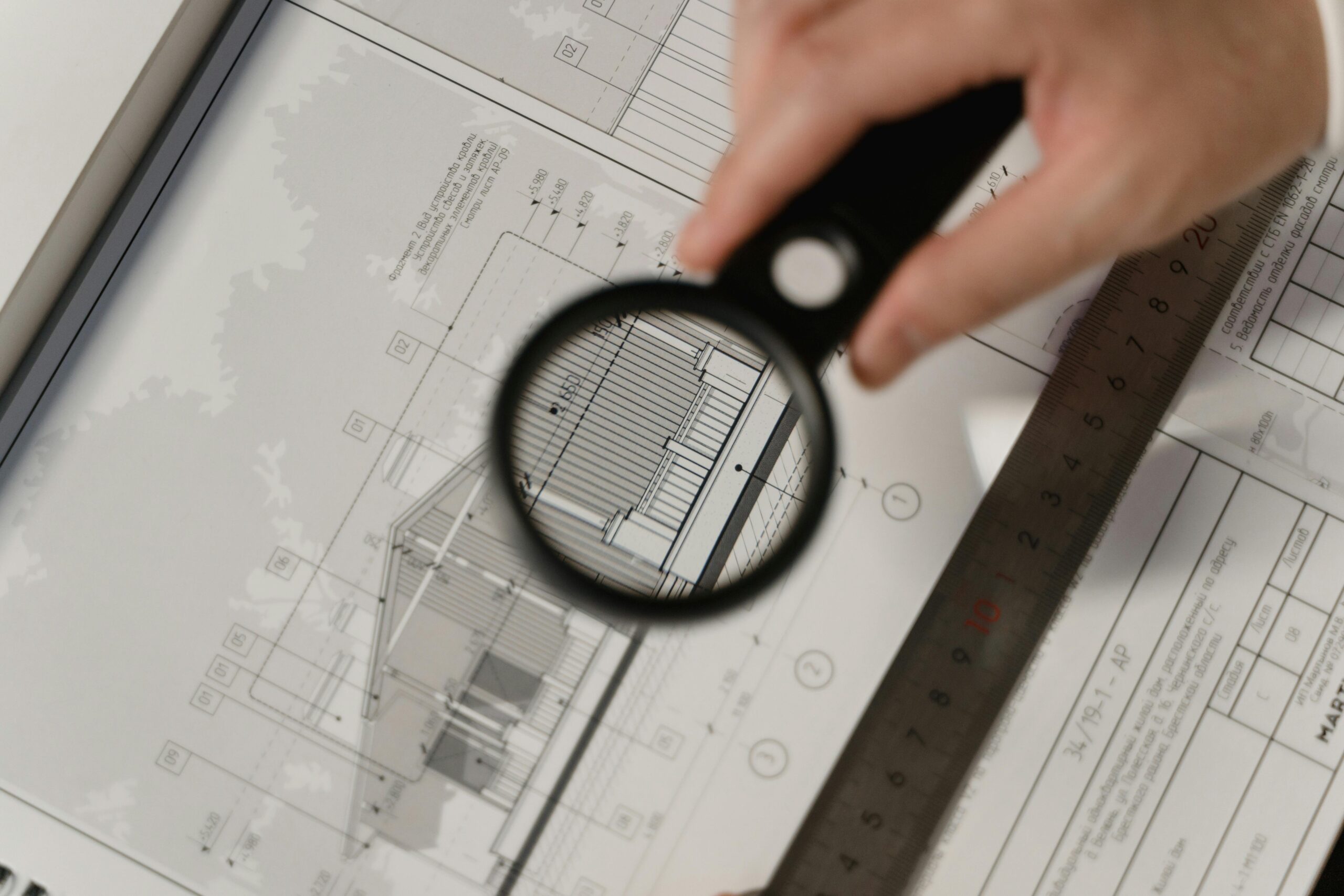
Maintaining Accuracy for Future Projects
Your careful measurement work represents valuable documentation for future projects. Store your floor plans, measurements, and notes in both physical and digital formats for easy reference when planning updates, purchasing furniture, or coordinating with contractors.
Photograph your completed space from multiple angles, creating a visual record that complements your measurements. These images prove invaluable for online furniture shopping, consulting with designers, or simply remembering successful arrangements when redecorating.
Update your measurements if you make any structural changes during renovations. Accurate, current documentation ensures future projects proceed smoothly without requiring complete re-measuring of your entire space.
Transforming your space with precision begins with the fundamental step of accurate measurement and thoughtful layout planning. This investment of time and attention at your project’s beginning prevents costly mistakes, enables confident decision-making, and ultimately creates living spaces that perfectly balance aesthetics with functionality. Whether you’re working with expansive rooms or compact spaces, these professional techniques empower you to design with the skill and confidence of experienced interior designers, creating environments that truly reflect your needs and personal style.