Thrift flipping has exploded in popularity as people discover the joy of transforming secondhand treasures into personalized masterpieces. Yet many enthusiastic DIYers find their projects falling flat, wasting time, money, and creative energy on avoidable mistakes.

The promise of thrift flipping is undeniably appealing: rescue unloved items from donation bins, apply creativity and elbow grease, then showcase stunning before-and-after transformations. The reality, however, often involves paint disasters, furniture that falls apart mid-project, and results that look amateurish rather than artisan. Understanding where thrift flip projects commonly go wrong is the first step toward achieving those Instagram-worthy successes that initially inspired your DIY journey.
🛍️ Selecting the Wrong Items: The Foundation of Failure
The most critical mistake happens before you even leave the thrift store. Many novice flippers grab items based purely on price or initial appeal without assessing whether the piece is actually flip-worthy. That dirt-cheap dresser might seem like a bargain until you discover the drawers are warped beyond repair or the wood is particleboard that won’t hold paint properly.
Successful thrift flipping begins with educated selection. Look for solid wood construction rather than laminate or particleboard, which severely limits refinishing options. Check all moving parts—drawers should slide smoothly, doors should hang straight, and joints should feel sturdy. Surface damage like scratches or dated finishes are perfect for flipping, but structural issues rarely are worth the effort.
Another selection pitfall involves choosing trendy items without considering your actual skill level. That intricate cane chair might look perfect for your vision board aesthetic, but recaning requires specialized skills and materials that beginners often underestimate. Start with straightforward projects that match your current abilities, then gradually tackle more complex transformations as your confidence and technique improve.
Red Flags to Avoid When Thrift Shopping
Experienced flippers develop an instinct for spotting problem pieces. Water damage is particularly problematic—look for warping, staining, or that telltale musty smell that indicates deep moisture penetration. Veneer that’s already lifting will continue peeling no matter how much adhesive you apply. Wobbling furniture might need complete reconstruction rather than simple tightening.
Similarly, upholstered items present hidden challenges. That vintage couch might harbor decades of dust, allergens, or worse. Unless you’re prepared for complete reupholstery (a significant investment in materials and effort), stick to pieces with removable, washable covers or items you can confidently deep-clean.
🎨 Paint Problems That Ruin Promising Projects
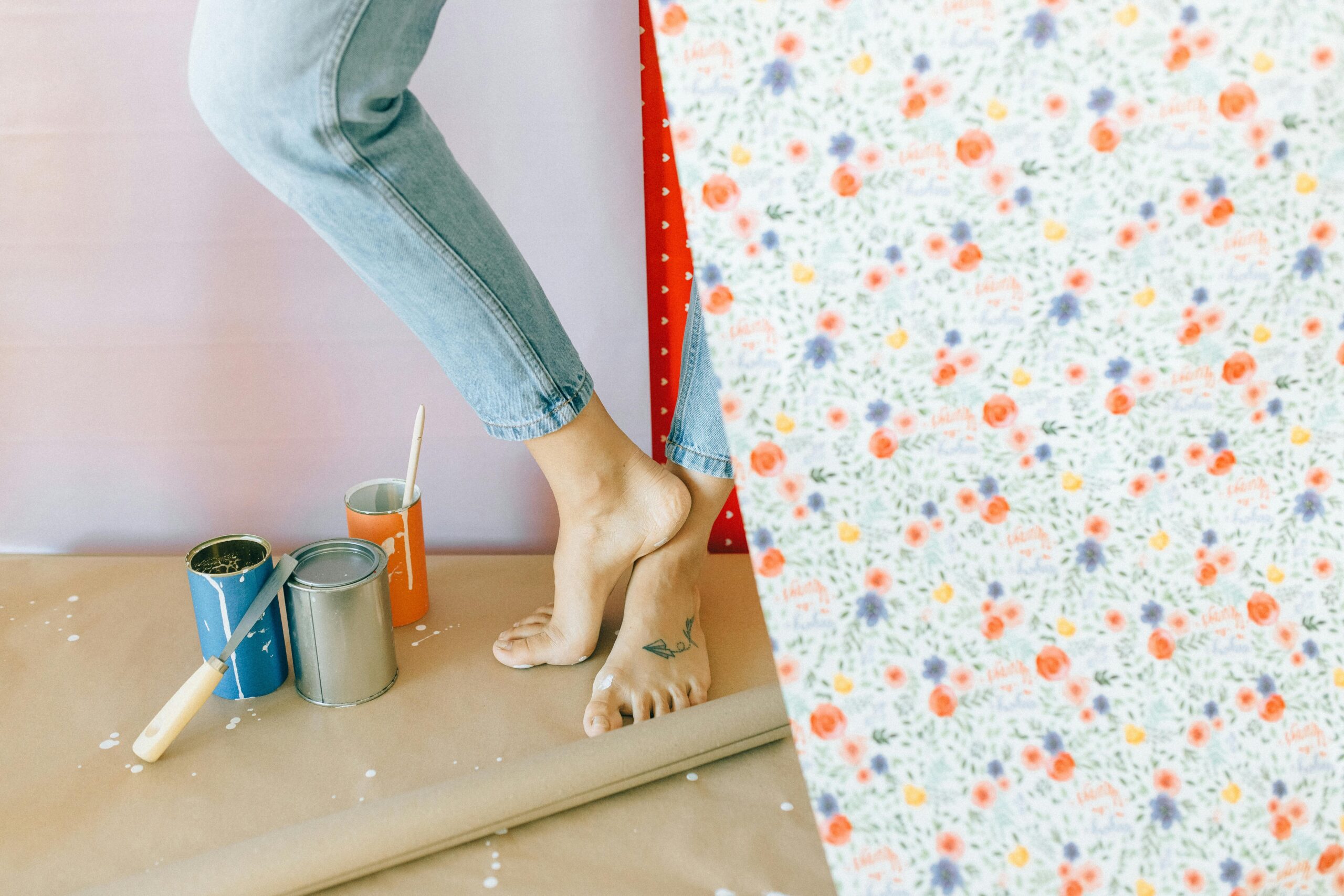
Paint-related mistakes account for countless thrift flip disappointments. The excitement to see quick results leads many DIYers to skip essential preparation steps, resulting in finishes that chip, peel, or look unprofessional within weeks. Quality results require patience and proper technique, not just trendy chalk paint and optimism.
The biggest paint mistake is inadequate surface preparation. Wood furniture often has layers of old finish, wax, or oil that prevent new paint from adhering properly. Without thorough cleaning and light sanding, your fresh coat will eventually bubble and flake. Similarly, skipping primer—especially on glossy surfaces or dark woods bleeding through light colors—sets up your project for visible failure.
Paint selection itself trips up many flippers. While chalk paint has become synonymous with furniture flipping, it’s not appropriate for every project. High-traffic pieces like tabletops or frequently-used dressers need more durable finishes. Understanding when to use latex, oil-based, milk paint, or specialty furniture paint makes the difference between projects that last and those that deteriorate disappointingly fast.
The Costly Mistake of Cheap Supplies
Budget-conscious flippers often economize on supplies, purchasing the cheapest brushes, rollers, and paint available. This penny-wise, pound-foolish approach almost guarantees subpar results. Cheap brushes leave visible bristle marks and shed hairs into your finish. Low-quality paint requires multiple coats, ultimately costing more in materials and time while still looking streaky.
Investing in mid-range supplies dramatically improves outcomes. Quality synthetic brushes for water-based paints or natural bristle for oil-based products apply smoothly and last through multiple projects. Dense foam rollers create the smooth, professional finish that distinguishes successful flips from amateur attempts. The initial investment pays dividends across every subsequent project.
📏 Design Decisions That Miss the Mark
Aesthetic choices make or break thrift flip appeal. Many enthusiastic DIYers follow trends without considering whether specific styles suit the piece itself or have lasting appeal. The result? Furniture that looks forced, dated, or simply bizarre rather than beautifully transformed.
Overly trendy treatments present particular risks. That neon ombré technique might be popular this season, but will anyone want it in two years? Classic, timeless approaches—clean lines, neutral colors with accent details, quality hardware—maintain value and appeal far longer than flavor-of-the-month trends. Consider whether your design choices enhance the piece’s inherent character or fight against it.
Color selection deserves careful thought beyond personal preference. While you might love bright purple, furniture in bold, unconventional colors has limited resale appeal if you’re flipping for profit. Even for personal projects, consider how the piece will coordinate with your existing décor and whether you’ll still love that shade after living with it daily for months.
When Creative Vision Exceeds Technical Reality
Pinterest and Instagram overflow with spectacular transformations that make complex techniques look deceptively simple. Attempting advanced methods like high-gloss lacquer finishes, intricate stenciling, or faux marble effects without proper knowledge or practice usually ends in frustration. These techniques require specific skills, tools, and often multiple attempts to master.
Realistic self-assessment prevents wasted effort. If you’re still perfecting basic painting technique, postpone that complicated Venetian plaster finish. Build skills progressively—start with solid color applications, advance to simple two-tone designs, then tackle distressing, layering, and finally complex decorative techniques. Each successful project builds the confidence and competence needed for the next challenge.
⏰ Time Management Disasters
Underestimating project timelines might be the most universal thrift flip mistake. That dresser transformation you planned for a weekend afternoon easily stretches into two weeks when you account for proper preparation, multiple paint coats with adequate drying time, and finishing touches. Rushing to meet self-imposed deadlines results in compromised quality and disappointing outcomes.
Each project phase requires specific time allocation. Cleaning and prep work alone might take several hours for heavily soiled items. Sanding between paint coats prevents imperfections but adds days to your timeline. Protective topcoats need full curing time—sometimes up to 30 days for maximum durability—before heavy use. Planning realistically prevents the temptation to skip crucial steps or declare questionable finishes “good enough.”
Working conditions also affect timelines significantly. Painting in high humidity or cold temperatures extends drying times substantially. Inadequate workspace lighting makes detail work difficult and mistakes more likely. Creating proper conditions—temperature-controlled space, good ventilation, adequate lighting—might delay project start but ensures better results and ultimately saves time by preventing do-overs.
💰 Budget Blunders That Eliminate Profit
For those flipping thrift finds for profit, failing to track expenses accurately kills profitability fast. That $15 thrift store table seems like a money-making opportunity until you calculate $30 in paint and supplies, $20 for new hardware, plus your labor hours. Suddenly you’re selling at a loss or pricing yourself out of the market.
Successful flippers maintain detailed cost tracking from purchase through completion. Factor in every expense: the item cost, all supplies (including sandpaper, brushes, and cleaning products), any specialty tools purchased specifically for the project, and even transportation costs. Only after calculating total investment can you set realistic selling prices that actually generate profit.
Scope creep represents another budget danger. You start with a simple paint job, then decide the hardware needs replacing, which looks odd without new feet, and suddenly you’re investing far more than planned. Establish your project scope and budget upfront, then stick to it unless additional investment will proportionally increase final value.
The Hidden Costs Nobody Mentions
Beyond obvious material expenses lurk hidden costs that surprise new flippers. Storage space for projects in progress has value, whether you’re using garage square footage or renting workspace. Photography equipment and supplies for marketing flips cost money. If selling online, platform fees and shipping materials cut into profits. Calculate these overhead costs into your pricing structure from the beginning.
Time itself represents significant cost, particularly for profit-focused flippers. If a project takes 10 hours and sells for $50 profit, you’ve earned $5 hourly—well below minimum wage. Understanding your time investment helps identify which projects offer genuine profit potential versus those better suited as passion projects rather than income sources.
🔧 Technical Skill Gaps That Sabotage Success
Many thrift flip failures stem from attempting repairs or modifications beyond current skill levels. Furniture repair requires specific knowledge—understanding wood grain direction for sanding, knowing which adhesives bond different materials, recognizing when professional help is more cost-effective than DIY attempts.
Upholstery represents a particularly deceptive skill gap. Videos make reupholstering chairs look straightforward, but properly stretching fabric, creating professional corners, and securing materials requires practice and technique. Your first attempt will likely look amateurish compared to expectations. Consider starting with simpler fabric projects like cushion covers before tackling full furniture reupholstery.
Power tools present both opportunity and danger. Sanding furniture by hand takes forever; electric sanders speed the process dramatically but can quickly damage surfaces if used incorrectly. Spray painters create beautiful finishes in experienced hands but produce drippy messes for beginners. Invest time learning proper tool technique through practice projects before applying them to your prized flip.
📱 Documentation Mistakes That Waste Your Efforts
Whether flipping for profit or personal satisfaction, failing to document your process represents a missed opportunity. Before photos prove transformation impact—take them immediately, even if the piece looks terrible. Progress shots capture your technique improvement and help troubleshoot when projects go wrong. After photos showcase your achievement and provide portfolio pieces for future sales or social media engagement.
Quality photography matters significantly for resale success. Blurry phone snapshots in poor lighting don’t showcase your work effectively. Learn basic photography principles: natural lighting, uncluttered backgrounds, multiple angles showing details and scale. These skills cost nothing but dramatically improve how your work presents to potential buyers.
For those sharing their journey on social media or blogs, consistent documentation builds audience engagement and establishes credibility. People love following transformation stories from thrift store find through completion. This documentation also creates valuable content marketing if you’re building a flipping business or DIY brand.
🌟 Learning from Failure: The Path to Stunning Success
Even experienced flippers encounter projects that don’t work out as envisioned. The difference between temporary setback and permanent defeat lies in learning from mistakes rather than repeating them. Each failed project offers lessons about material properties, technique refinement, or design judgment that inform future successes.
Maintaining a project journal helps identify patterns in what works and what doesn’t. Note which paint brands perform best, which thrift stores stock quality pieces, which project types you genuinely enjoy versus those that feel tedious. This accumulated knowledge transforms random trial-and-error into systematic skill development.
Connecting with the thrift flipping community provides invaluable support and knowledge sharing. Online forums, local workshops, and social media groups offer spaces to ask questions, share struggles, and celebrate successes. Experienced flippers generally love helping newcomers avoid the mistakes they made early in their journey. This collective wisdom accelerates your learning curve significantly.
Developing Your Signature Style
As skills improve and confidence grows, successful flippers develop recognizable aesthetic signatures. Rather than chasing every trend, they identify design elements that resonate personally and execute them consistently with increasing refinement. This signature style becomes your brand, making your pieces instantly recognizable and building customer loyalty if selling.
Your unique perspective represents competitive advantage in a crowded market. Maybe you excel at bohemian textile combinations, or your strength lies in sleek mid-century modern restorations. Perhaps you’ve mastered bold color blocking or specialized in preserving vintage character while updating functionality. Leaning into your strengths rather than attempting everything produces better results and greater satisfaction.
♻️ Sustainability and the True Value of Thrift Flipping
Beyond aesthetics and profit, successful thrift flipping contributes meaningfully to sustainability efforts. Each rescued piece represents furniture diverted from landfills and resources not consumed manufacturing new items. This environmental impact provides purpose beyond the immediate project, especially when disposable culture encourages constant consumption of cheaply-made goods.
Quality vintage and secondhand furniture often surpasses new budget options in construction and materials. That solid wood dresser from the 1960s will outlast particleboard flat-pack furniture by decades with proper care. By rescuing and restoring quality pieces, flippers preserve craftsmanship and materials increasingly rare in mass-market furniture.
This sustainability angle also resonates with conscious consumers, potentially commanding higher prices for thoughtfully restored pieces. Marketing your flips as eco-friendly alternatives to new furniture attracts customers who value environmental responsibility alongside aesthetics. This values-aligned approach builds meaningful connections with buyers who appreciate both your craftsmanship and its positive impact.

✨ Turning Knowledge into Stunning Transformations
Success in thrift flipping isn’t about avoiding all mistakes—it’s about learning which mistakes to avoid and which lessons to embrace. The journey from enthusiastic beginner to skilled flipper involves countless hours of practice, inevitable failures, and gradual refinement of both technical skills and aesthetic judgment.
Start where you are with realistic expectations. Your first projects won’t rival the breathtaking transformations flooding social media, and that’s perfectly fine. Each piece teaches something valuable: how this paint behaves, why that joint failed, which design choices enhance versus detract. Embrace the learning process rather than expecting immediate perfection.
The most successful thrift flippers share common characteristics beyond technical skill. They approach projects with patience, understanding that quality results require time. They invest in education, learning proper techniques rather than guessing. They select pieces thoughtfully, recognizing that good raw materials largely determine final outcomes. Most importantly, they persist through disappointments, treating failures as education rather than defeat.
Your stunning DIY successes await on the other side of these common mistakes. Armed with awareness of typical pitfalls, realistic expectations about skill development timelines, and commitment to proper technique over shortcuts, you’re positioned to create the transformations that initially inspired your thrift flipping interest. The journey from secondhand find to stunning showcase piece becomes not just possible but genuinely achievable when you dodge the mistakes that derail so many promising projects. 🎨