Refreshing your apartment doesn’t require a fortune or a complete renovation. With strategic planning and smart spending, you can transform your living space into a stylish sanctuary that reflects your personality while keeping your wallet happy.

Whether you’re tired of staring at the same four walls or preparing to impress guests, an affordable apartment makeover is entirely achievable. The secret lies in understanding where to invest your money and where to save, creating maximum impact without the financial stress that often accompanies home improvement projects.
💰 Setting Your Refresh Budget: The Foundation of Success
Before purchasing a single throw pillow or paint can, establishing a realistic budget is essential. Most design experts recommend allocating between $500 to $2,000 for a comprehensive apartment refresh, depending on your space size and current condition. This range allows for significant visual changes without requiring loans or credit card debt.
Start by assessing your financial situation honestly. Determine how much you can comfortably spend without compromising essential expenses like rent, groceries, and savings. Consider spreading costs over two to three months if a lump sum feels overwhelming. Remember, transforming your space should enhance your life, not create financial anxiety.
Create a priority list ranking rooms or areas by importance. Common sense suggests focusing on spaces where you spend the most time—typically the living room and bedroom. Kitchens and bathrooms often deliver impressive returns on minimal investments through simple updates like new hardware or fresh caulking.
🎨 Paint: Your Most Powerful Budget-Friendly Tool
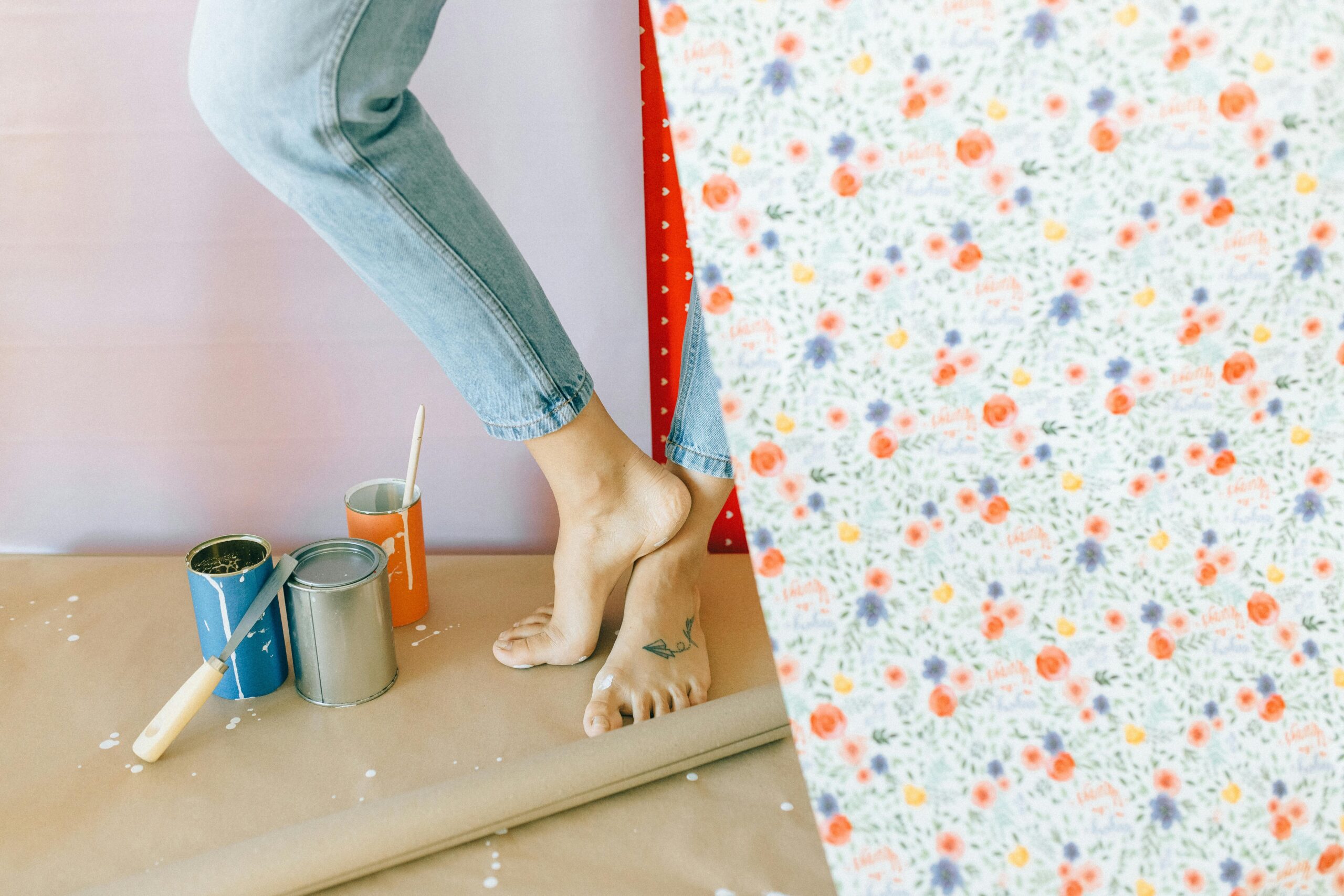
Nothing transforms a space more dramatically than paint, and it remains one of the most cost-effective renovation strategies available. A gallon of quality paint costs between $25-$50 and typically covers 350-400 square feet, meaning most apartment walls can be refreshed for under $200 in materials.
Choose lighter, neutral tones to make spaces feel larger and brighter. Shades like soft gray, warm beige, or creamy white provide versatile backdrops that complement various decor styles. If you crave color, designate one accent wall rather than painting entire rooms, reducing both cost and visual overwhelm.
Budget Breakdown for Paint Projects
| Item | Estimated Cost | Notes |
|---|---|---|
| Paint (2-3 gallons) | $75-$150 | Covers average one-bedroom apartment |
| Primer (if needed) | $25-$40 | Essential for dark-to-light transitions |
| Supplies (rollers, brushes, tape, drop cloths) | $30-$50 | Reusable for future projects |
| Total Paint Project | $130-$240 | DIY labor saves $200-$500 |
Doing the work yourself saves hundreds compared to hiring professionals. Painting requires minimal skill, and numerous online tutorials demonstrate proper techniques. Schedule a weekend, invite friends to help, and turn the project into a social event with pizza and music.
🛋️ Furniture: Strategic Upgrades Without the Splurge
Replacing all your furniture isn’t necessary or advisable when working with limited funds. Instead, identify one or two statement pieces that will anchor your refreshed space. A quality sofa or bed frame serves as a long-term investment, while smaller items can be budget finds or creative DIY projects.
Explore secondhand options through Facebook Marketplace, Craigslist, estate sales, and thrift stores. Many people sell barely-used furniture when relocating, offering premium pieces at fraction of retail prices. Inspect items carefully for structural integrity, and don’t hesitate to negotiate prices.
Budget allocation for furniture should consume the largest portion of your refresh funds, typically 40-50% of your total budget. For a $1,000 project, this means $400-$500 dedicated to furniture purchases or upgrades.
Smart Furniture Investment Strategy
- Invest in one quality anchor piece (sofa or bed) – $200-$400
- Refresh existing furniture with new slipcovers or cushions – $50-$100
- Add functional storage pieces from discount retailers – $75-$150
- DIY projects like refinishing tables or painting dressers – $25-$50
- Strategic accent chairs or side tables from thrift stores – $30-$80
Don’t underestimate the transformation power of simply rearranging existing furniture. Experiment with different layouts to improve flow and functionality. Sometimes the perfect setup costs absolutely nothing except time and effort.
✨ Lighting: Illuminating Your Space on a Budget
Lighting dramatically affects ambiance and perceived space size, yet many renters overlook this affordable upgrade opportunity. Harsh overhead lighting creates uninviting environments, while layered lighting from multiple sources adds warmth and dimension.
Budget approximately $100-$200 for lighting improvements. Focus on adding table lamps, floor lamps, and string lights rather than expensive fixture replacements. Many apartments restrict permanent electrical modifications anyway, making portable lighting solutions ideal for renters.
LED bulbs deserve special mention despite slightly higher upfront costs. They consume significantly less energy, last exponentially longer than traditional bulbs, and now come in various color temperatures. Warm white bulbs (2700K-3000K) create cozy residential atmospheres, while daylight bulbs (5000K-6500K) energize workspaces.
Affordable Lighting Enhancements
Target discount retailers like IKEA, Target, and HomeGoods for stylish yet affordable lamps. Prices typically range from $15-$60 per piece, making it feasible to add three to four new light sources within budget constraints. Thrift stores often stock unique vintage lamps requiring only new shades or bulbs.
String lights or LED strips add magical ambiance for minimal investment. Drape them around windows, behind headboards, or along bookshelves for soft, indirect lighting that transforms spaces into cozy retreats. These solutions cost $10-$25 and require zero installation expertise.
🖼️ Wall Decor: Personality Without the Price Tag
Bare walls make spaces feel incomplete and sterile, yet gallery-quality art seems financially out of reach for budget-conscious decorators. Fortunately, numerous affordable alternatives deliver visual impact without gallery pricing.
Allocate $75-$150 for wall decor, distributing this across multiple pieces rather than one expensive item. Variety creates interest, and mixing frame styles and art types adds eclectic charm that feels curated rather than cookie-cutter.
Print your own artwork using high-resolution images from free stock photo sites or your personal photography. Local print shops or online services produce professional-quality prints for $10-$30, which you then place in affordable frames from discount stores. This approach creates custom art for a fraction of traditional costs.
Creative Wall Decor Solutions
- Frame fabric remnants, wrapping paper, or wallpaper samples for textured interest
- Create gallery walls with family photos printed at drugstore kiosks
- Display collections (plates, hats, instruments) as three-dimensional wall art
- Use removable wallpaper on accent walls for dramatic pattern without commitment
- Hang mirrors strategically to reflect light and create spaciousness
- Install floating shelves to display plants, books, and decorative objects
Mirrors deserve special attention as they serve dual purposes—decoration and spatial enhancement. Large mirrors make rooms feel significantly more spacious by reflecting light and creating depth perception. Discount stores offer stylish options for $30-$80, delivering exceptional value for your decorating dollar.
🌿 Plants and Greenery: Life and Color for Pennies
Few decorating elements rival houseplants for affordability and impact. Plants purify air, add vibrant color, introduce organic shapes, and literally bring life into your space. Best of all, they cost significantly less than most decor items while providing ongoing visual interest as they grow and change.
Budget $50-$75 for plant purchases, focusing on easy-care varieties that thrive in typical apartment conditions. Pothos, snake plants, spider plants, and ZZ plants tolerate low light and infrequent watering, making them ideal for beginners or busy individuals.
Start with three to five plants distributed throughout your space rather than purchasing one expensive specimen. Variety in heights, textures, and pot styles creates visual rhythm and prevents monotony. Check local nurseries, farmers markets, and big-box hardware stores for better prices than specialty plant boutiques.
Propagate existing plants or request cuttings from friends to expand your collection free. Many common houseplants root easily in water, allowing you to multiply your greenery exponentially without spending additional money. This approach also creates heartfelt, personalized gifts for friends and family.
🎯 Textiles and Soft Furnishings: Comfort Meets Style
Textiles transform hard spaces into comfortable homes through tactile softness and visual warmth. New throw pillows, blankets, curtains, and rugs refresh rooms without permanent modifications, making them perfect for rental situations.
Dedicate $150-$250 to textile purchases, prioritizing items with maximum visual impact. Curtains frame windows and control light, rugs define spaces and add warmth, while throw pillows inject color and pattern at minimal cost.
Textile Budget Distribution
| Item | Budget Range | Shopping Tips |
|---|---|---|
| Area Rug | $60-$120 | Check online retailers for better prices than stores |
| Curtain Panels (2 sets) | $40-$80 | Simple panels look expensive when properly hung |
| Throw Pillows (4-6) | $30-$60 | Mix patterns and textures for designer look |
| Throw Blankets (2) | $20-$40 | Layer different materials for depth |
| Total Textiles | $150-$300 | Wait for seasonal sales to maximize budget |
When selecting textiles, establish a cohesive color palette limiting yourself to three to four complementary colors. This discipline prevents spaces from feeling chaotic while allowing personality to shine through. Don’t fear pattern mixing—varying scales (small, medium, large) creates sophisticated visual interest.
🔧 Small Updates With Major Impact
Sometimes the smallest changes deliver disproportionate visual returns. Cabinet hardware, switch plate covers, and fixtures significantly influence overall aesthetics despite their modest size and cost.
Replace dated cabinet knobs and drawer pulls for instant kitchen and bathroom upgrades. Hardware sets cost $15-$40 depending on quantity and style, requiring only a screwdriver for installation. Choose finishes matching other room elements for cohesive design.
Update switch plates and outlet covers throughout your apartment for a surprisingly noticeable improvement. Standard plastic covers look cheap and dated, while metal, wood, or decorative options elevate perceived quality. Sets cost $10-$25 and install in minutes.
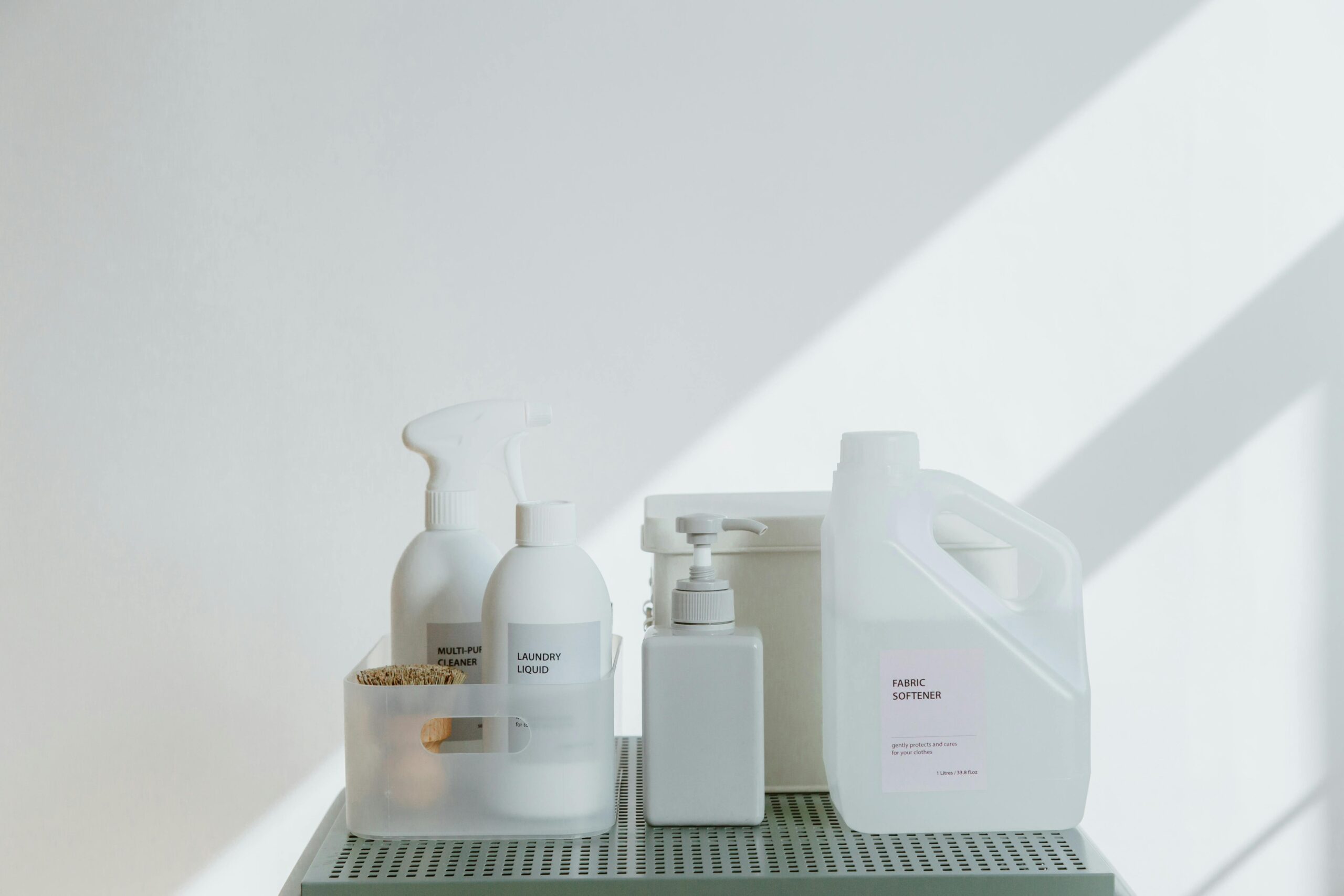
Deep clean everything before adding new decor. Sparkling windows, scrubbed baseboards, and sanitized surfaces make spaces feel refreshed without spending anything beyond cleaning supplies you likely already own. This overlooked step maximizes the impact of your decorating investments.
📱 Planning and Visualizing Your Refresh
Digital tools help plan renovations, visualize changes before purchasing, and track budgets efficiently. Several apps assist with room planning, color selection, and budget management, preventing costly mistakes and impulse purchases.
Room planner apps allow you to input dimensions, experiment with furniture arrangements, and visualize color schemes before committing. This digital experimentation prevents expensive purchasing errors and helps identify exactly what you need before shopping begins.
🛒 Strategic Shopping: Maximizing Every Dollar
Where and when you shop dramatically affects how far your budget stretches. Strategic timing and retailer selection separate successful budget decorators from those who overspend on identical items.
Shop end-of-season sales when retailers deeply discount inventory to make room for new collections. January, July, and September typically offer the best home decor deals as stores transition between seasons. Patience saves significant money if you can wait for optimal timing.
Compare prices across multiple retailers before purchasing. The same item often varies by 30-50% between stores. Use price comparison websites and apps to ensure you’re getting genuine deals rather than inflated “sale” prices.
Best Budget Shopping Destinations
- IKEA – affordable furniture and accessories with Scandinavian style
- Target – trendy decor at accessible prices with frequent sales
- HomeGoods/TJ Maxx – discounted designer items requiring treasure hunt mentality
- Facebook Marketplace – secondhand finds from local sellers
- Dollar stores – surprising gems for small decor items and organizational tools
- Estate sales – quality furniture and unique pieces at bargain prices
Never underestimate dollar stores for small decorative items like vases, picture frames, and organizational containers. While furniture quality varies, accessories often look identical to versions costing five times more at traditional retailers.
💡 DIY Projects That Actually Save Money
Do-it-yourself projects stretch budgets when approached realistically. Simple projects like painting furniture or creating wall art make financial sense, while complex undertakings may cost more than purchasing finished items when factoring in materials, tools, and time.
Refinish existing furniture with paint or stain for dramatic transformations at minimal cost. A dresser that looks dated in dark wood becomes trendy with white paint and new hardware. Paint costs $10-$20, hardware costs $20-$30, and you’ve essentially purchased new furniture for under $50.
Create custom artwork using canvas panels, acrylic paint, and creativity. Abstract art particularly forgiving for beginners, and oversized pieces make bold statements for $20-$40 in materials versus hundreds for comparable purchased art.
⏰ Timeline: Spreading Costs for Financial Comfort
Rushing transformations often leads to impulse purchases and budget overruns. Instead, create a phased approach spreading costs over two to three months, allowing you to shop sales and make thoughtful decisions.
Month one focuses on foundational changes—painting, deep cleaning, and furniture rearrangement. Month two adds lighting, textiles, and major decor purchases. Month three completes the transformation with plants, artwork, and finishing touches. This measured approach prevents financial strain while building anticipation.

🎉 Your Transformed Space Awaits
Transforming your apartment on a budget requires planning, creativity, and strategic spending rather than unlimited funds. By prioritizing high-impact changes, shopping smartly, and embracing DIY opportunities, you can create a space that feels custom-designed without the designer price tag.
Remember that personal style matters more than trends or expensive items. Your home should reflect your personality and support your lifestyle, not replicate magazine spreads that don’t suit your needs. The most successful refreshes blend budget-conscious decisions with authentic self-expression, creating spaces where you genuinely love spending time.
Start with a clear budget, make a prioritized plan, and tackle changes systematically rather than randomly. Before you know it, you’ll be relaxing in a beautifully refreshed apartment that looks like a million bucks but cost only a fraction of that amount. Your transformed space is closer than you think—it just requires smart planning and strategic execution rather than a massive budget! 🏠✨