
Creating the perfect ambiance in your home starts with strategic lighting placement. Whether you’re redesigning a single room or planning lighting for an entire house, understanding where and how to position your light sources can transform your space dramatically.

Proper lighting isn’t just about brightness—it’s about layering, functionality, and creating atmosphere. The right lighting placement can make small rooms feel spacious, highlight architectural features, and even influence your mood and productivity throughout the day.
🏠 Understanding the Three Essential Layers of Lighting
Before diving into room-specific strategies, it’s crucial to understand that professional lighting design relies on three fundamental layers that work together harmoniously.
Ambient Lighting: Your Foundation Layer
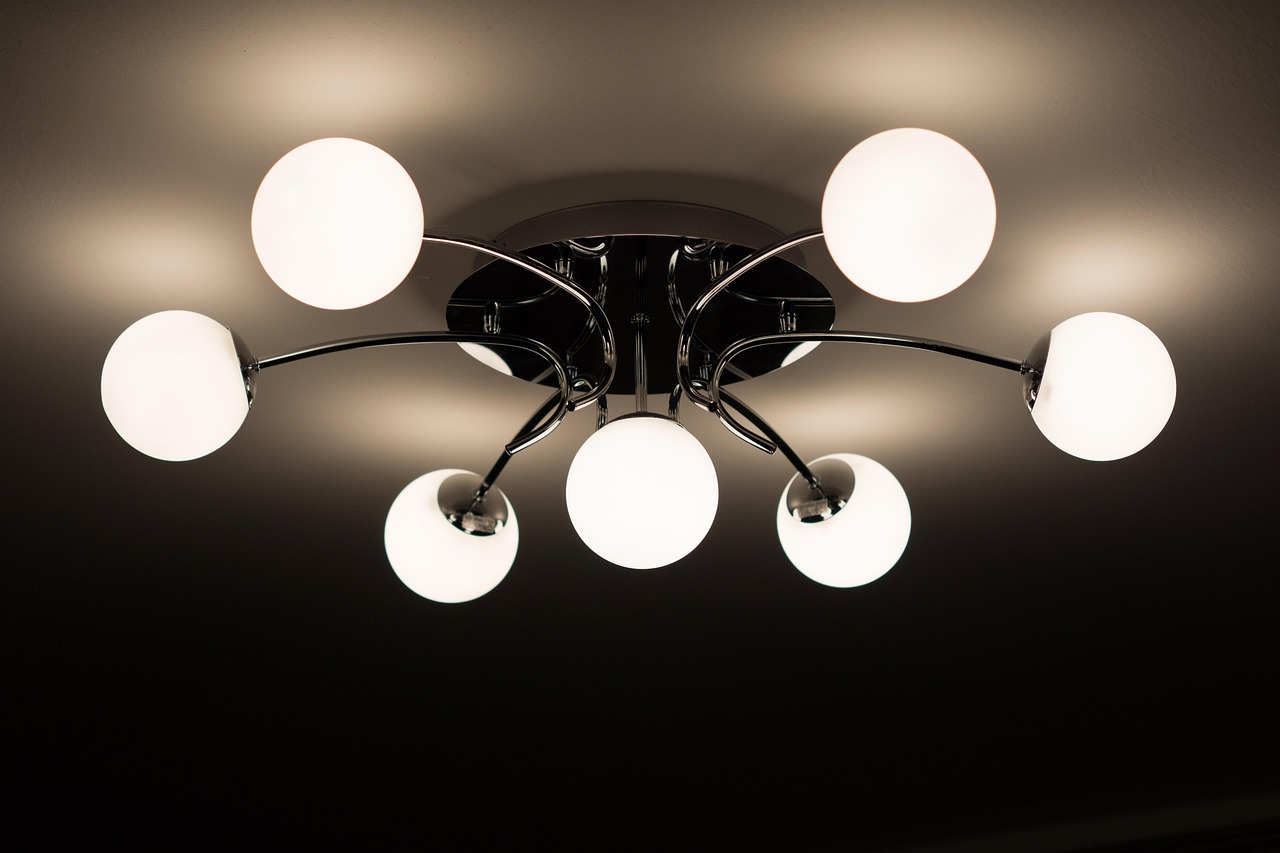
Ambient lighting serves as the general illumination for your entire room. This primary layer replaces natural daylight and allows you to navigate spaces safely. Ceiling-mounted fixtures, recessed lights, and chandeliers typically provide this foundational lighting. The key is ensuring even distribution without creating harsh shadows or overly bright spots.
For optimal ambient lighting, position your main fixtures centrally in the room, or use multiple sources distributed evenly across the ceiling. Consider the room’s proportions—a 12×12 foot room typically needs approximately 144 watts of ambient lighting for comfortable general illumination.
Task Lighting: Focused Functionality
Task lighting directs concentrated light exactly where you need it for specific activities. Reading lamps, under-cabinet kitchen lights, and desk lamps all fall into this category. The placement of task lighting depends entirely on where you perform focused activities.
When positioning task lights, aim to eliminate shadows on your work surface. For reading, place lamps slightly behind and to the side of where you sit. Kitchen task lighting should illuminate countertops without creating glare on reflective surfaces.
Accent Lighting: The Artistic Touch ✨
Accent lighting adds drama, depth, and visual interest by highlighting specific features, artwork, or architectural elements. Track lighting, picture lights, and uplights create focal points that give your room personality and dimension.
Effective accent lighting typically requires three times more light on the featured object than the surrounding ambient lighting. Position these fixtures at 30-degree angles to artwork or use wall washers to graze textured surfaces dramatically.
Living Room Lighting Placement Strategy
The living room serves multiple purposes—entertaining, relaxing, reading, and watching television. Your lighting plan needs flexibility to accommodate all these activities without compromising comfort or style.
Central Ceiling Fixture Positioning
If your living room features a central chandelier or pendant, position it in the mathematical center of the room, not necessarily centered on your furniture arrangement. The bottom of the fixture should hang approximately 7 feet above the floor in rooms with standard 8-9 foot ceilings, or 7.5 feet in rooms with higher ceilings.
For living rooms without a dominant central seating area, consider installing multiple recessed lights on a dimmer system. Space recessed lights approximately 4-6 feet apart, positioned 3 feet from walls to avoid creating harsh shadows and to evenly wash the walls with light.
Layering with Floor and Table Lamps
Place table lamps on side tables flanking your sofa, approximately 58-64 inches from the floor to the bottom of the shade. This height provides comfortable reading light without glare when seated. Floor lamps work beautifully in corners or behind accent chairs, filling in shadows that overhead lighting creates.
Consider the rule of three: have at least three light sources in your living room that you can turn on independently. This flexibility allows you to adjust lighting for different activities and times of day, from bright family gatherings to intimate movie nights.
Kitchen Lighting: Where Precision Meets Function 🍳
Kitchen lighting demands the most strategic planning because this room serves both functional and social purposes. Poor lighting in kitchens can be dangerous when working with sharp objects and hot surfaces.
Overhead Ambient and Recessed Lighting
Install recessed lights in a grid pattern across your kitchen ceiling, spacing them 4 feet apart for 8-foot ceilings. Position the first row of lights 18-24 inches from your upper cabinets to illuminate countertops effectively without creating shadows when you’re standing at the counter.
For kitchens with islands, add dedicated lighting directly above, either through pendant lights or additional recessed fixtures. Pendants should hang 30-36 inches above the island surface, allowing clear sightlines while providing focused illumination on the workspace.
Under-Cabinet Task Lighting Placement
Under-cabinet lighting eliminates shadows on your countertops where you prep food. Install LED strip lights or puck lights toward the front of your cabinets, not against the wall. This forward placement prevents dark shadows and provides even illumination across your entire work surface.
Place under-cabinet lights approximately 2-3 inches from the front edge of the cabinet. If using puck lights, space them every 8-12 inches for consistent coverage without dark spots between fixtures.
Bedroom Lighting: Creating Restful Ambiance 💤
Bedroom lighting should support relaxation while providing adequate illumination for activities like reading, dressing, and grooming. The goal is creating a calm atmosphere that promotes rest without sacrificing functionality.
Bedside Lighting Configuration
Position bedside lamps or wall-mounted reading lights 24-27 inches above the mattress top. This height allows comfortable reading without the light shining directly in your eyes. If using wall sconces, install them 60-66 inches from the floor, placing them slightly wider than the bed width for balanced aesthetics.
Consider adjustable fixtures that allow you to direct light where needed. Swing-arm wall lamps offer flexibility without consuming bedside table space, ideal for smaller bedrooms where every surface counts.
Ambient Lighting for Bedrooms
Install your main ceiling fixture centered in the room or centered over the bed if the bed dominates the space. Use warm color temperatures (2700-3000K) to create a relaxing atmosphere that supports your natural circadian rhythm.
Add a dimmer switch to every bedroom light fixture. This simple addition allows you to adjust lighting intensity throughout the day, from bright morning light to soft evening ambiance that prepares your mind for sleep.
Bathroom Lighting: Balancing Function and Flattery
Bathroom lighting presents unique challenges because it must be bright enough for grooming tasks while remaining flattering and comfortable. Water safety regulations also influence fixture placement in these spaces.
Vanity Lighting Perfection
The most flattering vanity lighting comes from fixtures placed on both sides of the mirror at eye level (approximately 60-65 inches from the floor). This side lighting eliminates shadows under the eyes, nose, and chin that overhead lighting creates.
If side lighting isn’t possible, install a horizontal light bar directly above the mirror, positioned as close to the mirror top as possible. Choose fixtures at least 75% of your mirror’s width for even illumination across your entire face.
Shower and Bathtub Lighting Safety
Install recessed lights rated for wet or damp locations directly above showers and tubs. Position these fixtures centered in the shower space, never over the showerhead where you’ll stand directly under dripping water. Use frosted or enclosed fixtures to create soft, diffused light without harsh glare on wet surfaces.
Home Office Lighting for Productivity 💻
Proper office lighting reduces eye strain, minimizes screen glare, and boosts productivity. Your lighting placement directly impacts your comfort during long work sessions and video calls.
Desk Task Lighting Strategy
Position your desk lamp to the side opposite your dominant hand—left side for right-handed people, right side for left-handed individuals. This placement prevents your hand from casting shadows on your work. Place the lamp approximately 15 inches to the side of your work area and slightly behind your keyboard.
For computer work, ensure your task light doesn’t create glare on your screen. Position monitors perpendicular to windows when possible, and use adjustable desk lamps that allow you to direct light precisely where needed without reflecting on screens.
Video Conference Lighting
Create flattering video lighting by positioning your desk to face a window for natural light, or place a lamp at eye level facing you, slightly behind your monitor. This front-facing light illuminates your face evenly during video calls, eliminating unflattering shadows while providing a professional appearance.
Dining Room Illumination Excellence 🍽️
Dining room lighting sets the mood for meals, from casual family dinners to formal entertaining. Your fixture placement affects both functionality and ambiance in this gathering space.
Chandelier and Pendant Placement
Center your dining room chandelier directly above the table center, not the room center, if these don’t align. The bottom of the fixture should hang 30-34 inches above the table surface for standard 8-foot ceilings, adding 3 inches for each additional foot of ceiling height.
The chandelier diameter should be approximately one-half to two-thirds of your table width. For a 40-inch wide table, choose a fixture between 20-27 inches in diameter. This proportion ensures the fixture feels substantial without overwhelming the space.
Supplementary Dining Room Lighting
Add wall sconces or buffet lamps to create layered lighting that doesn’t rely solely on overhead illumination. Place sconces 60-66 inches from the floor on walls surrounding your dining area. These additional sources provide ambient lighting for non-dining activities and create visual interest in the space.
Hallway and Entryway Lighting Navigation 🚪
Often overlooked, hallways and entryways set the tone for your entire home. Strategic lighting in these transitional spaces ensures safety while creating welcoming first impressions.
Hallway Lighting Spacing
Space hallway ceiling fixtures every 8-10 feet for adequate, even illumination. In long hallways, use alternating fixtures rather than a single row down the center—this creates visual interest while eliminating the tunnel effect. Position fixtures centered width-wise in the hallway, approximately 6-7 feet from the floor to the fixture bottom.
Entryway Statement Lighting
Your entryway fixture serves as both functional lighting and a design statement. For two-story entryways, choose a chandelier that fills the vertical space, with the bottom hanging no lower than 7 feet from the floor. Single-story entryways follow the same 7-foot clearance rule with fixtures proportioned to the space size.
Add a table lamp or wall sconces near your entry console to create welcoming ambient light that doesn’t rely solely on the overhead fixture. This layered approach provides flexibility and warmth when greeting guests.
Specialty Spaces: Basements, Closets, and Laundry Rooms
Utility spaces deserve thoughtful lighting planning too. These often-neglected areas benefit significantly from proper illumination that makes tasks easier and spaces more pleasant to use.
Basement Lighting Solutions
Basements with low ceilings benefit from recessed lighting rather than hanging fixtures that reduce headroom further. Space recessed lights 6 feet apart in a grid pattern, using brighter bulbs than main floor rooms to compensate for limited natural light. Add under-stair lighting to illuminate this typically dark, potentially hazardous area.
Closet Illumination
Install closet lights centered on the ceiling, or use LED strip lighting along the front edge of shelves for even illumination that reveals true colors. For walk-in closets, position fixtures to illuminate hanging clothes without creating shadows—typically this means lights near the closet entrance and additional fixtures deeper in the space.
Smart Lighting Control and Planning Tools 📱
Modern technology simplifies lighting planning and control. Smart lighting systems allow you to adjust fixtures remotely, create scenes for different activities, and even automate lighting based on time of day or occupancy.
Several mobile applications help you visualize lighting placement before installation. These digital tools let you experiment with fixture positions, calculate light levels, and even simulate different color temperatures to perfect your lighting design before making purchases or drilling holes.
Common Lighting Placement Mistakes to Avoid ⚠️
Even with the best intentions, certain lighting mistakes appear repeatedly in homes. Recognizing these pitfalls helps you avoid them in your own space.
Overlighting creates harsh, unwelcoming spaces that feel more like commercial environments than comfortable homes. Balance is essential—you want adequate illumination without overwhelming brightness. Similarly, relying on a single overhead fixture leaves rooms flat and shadowy. Always incorporate multiple light sources at different levels.
Ignoring color temperature consistency makes spaces feel disjointed. Stick to similar color temperatures within each room, typically warm whites (2700-3000K) for living spaces and slightly cooler whites (3500-4000K) for kitchens and bathrooms where task performance matters.
Forgetting to install dimmer switches eliminates flexibility. Dimmers cost relatively little but dramatically increase your lighting options, allowing you to adjust intensity for different times of day, activities, and moods.
Creating Your Personal Lighting Plan Template
Developing a comprehensive lighting plan starts with measuring your space and identifying how you use each area. Draw a simple floor plan showing permanent fixtures like cabinets, windows, and doorways. Mark where you perform specific activities—reading, cooking, working—as these locations need task lighting.
Identify focal points you want to highlight with accent lighting, such as artwork, architectural features, or decorative elements. These become your accent lighting targets. Then map out your ambient lighting grid, ensuring even coverage across the entire space.
Consider creating a lighting schedule that lists each fixture, its purpose (ambient, task, or accent), wattage, color temperature, and control method (switch, dimmer, or smart control). This document becomes your implementation roadmap and shopping list.
Bringing Your Lighting Vision to Life 💡
Perfect lighting placement transforms houses into homes, creating atmosphere, supporting activities, and showcasing your space beautifully. While the principles remain consistent across different rooms, each space has unique requirements based on its function, size, and your personal lifestyle.
Start with one room, implementing the layered lighting approach with ambient, task, and accent sources positioned strategically. As you experience the difference proper lighting makes, you’ll feel motivated to optimize lighting throughout your entire home.
Remember that lighting design isn’t permanent—fixtures can be moved, added, or adjusted as your needs change. The investment you make in planning and implementing thoughtful lighting placement pays dividends daily in comfort, functionality, and beauty. Your perfectly illuminated space awaits, ready to shine exactly as you envision it.