
Creating an organized home starts with a clear plan. When you understand exactly what storage you need in each room, maintaining order becomes effortless rather than overwhelming.

A room-by-room storage planning worksheet transforms the daunting task of home organization into a systematic, achievable process. This comprehensive guide will walk you through creating your personalized storage strategy that actually works for your lifestyle, space, and belongings.
Why Traditional Organization Methods Fail Most Homeowners 🏠
Most people approach home organization backwards. They purchase storage containers, shelving units, and organizing systems before understanding what they actually need to store. This leads to wasted money, cluttered spaces filled with empty bins, and frustration when nothing seems to work long-term.
The fundamental problem is lack of planning. Without assessing what you own, how you use your space, and what storage solutions match your specific needs, you’re essentially organizing blindfolded. A storage planning worksheet eliminates this guesswork by providing a structured framework for evaluating every room in your home.
Research shows that organized homes reduce stress levels, save time spent searching for items, and even improve sleep quality. Yet only 15% of homeowners have a documented storage plan for their entire home.
The Foundation: Creating Your Master Storage Inventory
Before diving into individual rooms, you need a baseline understanding of what you’re working with. Your master storage inventory should catalog the major categories of items in your home without getting lost in excessive detail.
Start by walking through your home with a notepad or smartphone. In each room, identify broad categories rather than individual items. For example, in your kitchen, note “baking supplies,” “small appliances,” and “food storage containers” rather than listing every measuring cup.
Essential Categories to Document
Your inventory should capture these fundamental aspects for each room:
- Current storage furniture and built-ins available
- Major item categories that need storage
- Frequently accessed items versus seasonal or occasional use
- Overflow items currently stored in wrong rooms
- Floor space dimensions and limitations
- Vertical space opportunities (walls, door backs, ceiling height)
This initial assessment typically takes 1-2 hours but provides invaluable data for all subsequent planning decisions. Take photos of problem areas and current storage situations for visual reference later.
Kitchen Storage Planning: The Heart of Home Organization 🍳
The kitchen presents unique storage challenges because it houses items with vastly different sizes, access frequencies, and storage requirements. Your kitchen worksheet should divide the space into functional zones.
The cooking zone needs immediate access to pots, pans, utensils, and frequently used spices. The prep zone requires cutting boards, knives, mixing bowls, and measuring tools within arm’s reach. The food storage zone includes your pantry, refrigerator, and food containers.
Kitchen Storage Worksheet Questions
- How many people regularly cook in this kitchen?
- Which appliances are used daily versus weekly or monthly?
- What items are currently stored on countertops that could be relocated?
- Are there underutilized cabinets or drawers?
- What vertical space exists for hanging racks or additional shelving?
- Which items are duplicates or rarely used that could be donated?
After answering these questions, sketch a simple kitchen map marking your zones. This visual reference helps identify where additional storage solutions make the most sense and which areas are already optimized.
Living Room and Family Space Storage Solutions
Living areas require storage that balances functionality with aesthetics since these are typically the most visible rooms in your home. The challenge is hiding everyday clutter while keeping essential items accessible.
Common living room storage needs include media equipment, remote controls, books and magazines, throw blankets, children’s toys, and hobby supplies. Each family member may have different items they use in this shared space, requiring inclusive planning.
Your living room storage worksheet should identify “hot spots” where clutter accumulates. These areas need dedicated storage solutions rather than constant tidying. If everyone drops their phone chargers on the coffee table, you need a charging station. If mail piles up on the console table, you need a mail sorting system.
Multi-Functional Storage Strategies
Living spaces benefit enormously from furniture that serves double duty. Ottoman storage benches, console tables with shelving, coffee tables with drawers, and bookcases that divide open floor plans all maximize storage without sacrificing living space.
Consider the 80/20 rule for living room storage: 80% of items should be hidden behind closed doors or in closed containers, while 20% can be displayed openly for convenience or decorative purposes.
Bedroom Storage: Creating Your Personal Sanctuary 😴
Bedrooms require storage planning that supports both daily routines and seasonal rotation. Clothing represents the largest storage category, but bedrooms also house accessories, personal care items, extra bedding, and often overflow from other areas.
Your bedroom storage worksheet should first tackle the closet situation. Measure your closet dimensions, count hanging items versus folded items, and identify specialty storage needs for shoes, accessories, or seasonal items.
Beyond the Closet: Complete Bedroom Storage
Many bedrooms have underutilized storage potential under beds, behind doors, and on walls. Under-bed storage works excellently for seasonal clothing, extra bedding, or out-of-season shoes when properly contained in bins or bags.
Nightstands should accommodate items you need immediately before sleep or upon waking. If your nightstand is overflowing, you’re storing too much there or need furniture with better storage capacity.
For shared bedrooms, clear territorial boundaries help maintain organization. Each person should have designated storage space that matches their actual needs, not arbitrary equal divisions.
Bathroom Storage Planning for All Your Essentials 🛁
Bathrooms pack enormous storage requirements into typically small spaces. Your bathroom worksheet must account for daily personal care items, cleaning supplies, extra toiletries, medications, towels, and bathroom linens.
The key question for bathroom storage is access frequency. Items used daily need prime real estate in accessible locations. Stock supplies and occasionally used items can occupy higher shelves, lower cabinets, or separate linen closets.
Maximizing Minimal Bathroom Space
Small bathrooms benefit from vertical storage solutions like over-toilet shelving units, wall-mounted cabinets, and door organizers. Medicine cabinets should be regularly purged of expired items to maintain useful storage capacity.
Under-sink storage often becomes chaotic because awkward plumbing reduces usable space. Specialized organizers that work around pipes dramatically improve this challenging area. Drawer dividers keep small items like makeup, hair accessories, and grooming tools organized rather than jumbled.
Home Office and Workspace Organization Planning 📝
Whether you have a dedicated office or a corner desk, workspace storage planning determines your productivity level. Your worksheet should identify all work-related items requiring storage: documents, office supplies, technology and cables, reference materials, and work-in-progress projects.
The greatest home office storage challenge is paper management. Even in our digital age, mail, documents, receipts, and printed materials accumulate rapidly. Your storage plan needs designated locations for active files, reference documents, and items awaiting action.
Desktop storage should follow the principle of keeping surfaces clear except for items used daily. Everything else should have a designated home in drawers, cabinets, or shelving systems.
Digital Organization Tools for Physical Storage
Several apps help track home inventory and storage locations, making it easier to remember where you stored seasonal items or infrequently used supplies. These digital tools complement your physical storage planning worksheet by providing searchable records.
Children’s Rooms and Play Areas: Storage That Grows With Them 🧸
Children’s storage needs change rapidly as they grow, making flexibility essential. Your planning worksheet for kids’ spaces should consider current needs while allowing for easy adaptation as interests and sizes change.
The most successful children’s storage systems enable kids to participate in organization. Low, open bins for toys, labeled drawers for clothing categories, and accessible bookshelves encourage independence while maintaining order.
Toy rotation systems keep play areas manageable while maintaining interest. Rather than storing all toys accessibly, rotate selections monthly while keeping others in higher storage. This approach reduces clutter and makes “old” toys feel new again.
Age-Appropriate Storage Solutions
Toddlers need very different storage than teenagers. Young children benefit from picture labels, color coding, and simple open storage. Older children and teens need systems that accommodate homework supplies, hobby equipment, technology, and evolving clothing needs.
Shared children’s rooms require clear personal zones so each child has ownership over their space and belongings. This prevents territorial disputes and teaches responsibility for personal organization.
Entryway and Mudroom: Managing the Drop Zone 👟
Entryways handle enormous daily traffic and countless items coming in and out of your home. Your entryway storage worksheet should plan for coats, shoes, bags, keys, mail, pet supplies, and seasonal accessories.
The most functional entryways have individual stations for each family member. Hooks at appropriate heights, shoe cubbies, and small bins for personal items create accountability and reduce the “dumping ground” phenomenon.
If you lack a dedicated mudroom, create an artificial one near your most-used entrance. A simple bench with storage underneath, wall hooks, and a small organizing system transforms any entry point into a functional space.
Garage and Basement: Conquering the Catch-All Spaces
Garages and basements often become default storage for everything without a designated home. This makes them overwhelming to organize, but a detailed worksheet approach makes the task manageable.
Start by categorizing everything currently in these spaces: tools, seasonal decorations, sports equipment, automotive supplies, outdoor gear, and overflow household items. Then question whether each category truly belongs there or should relocate closer to where it’s actually used.
Seasonal Storage Rotation Systems
Garages and basements excel at seasonal storage when properly organized. Holiday decorations, seasonal sports equipment, and rotating clothing all need clear labeling and strategic placement for easy twice-yearly swaps.
Wall-mounted systems and ceiling storage racks maximize vertical space in garages, freeing floor space for vehicles or workspace. Heavy-duty shelving creates designated zones for different categories, preventing the mixed piles that make finding anything impossible.
Creating Your Personalized Storage Planning Timeline ⏰
After completing worksheets for each room, you need an implementation timeline. Trying to reorganize your entire home simultaneously leads to chaos and abandoned projects.
Prioritize rooms based on which causes the most daily frustration or which offers the greatest impact. Most people benefit from starting with kitchens or bedrooms since these spaces affect daily quality of life most significantly.
Allocate realistic timeframes for each room. A thorough kitchen organization might require multiple weekends, while a simple bedroom closet could be completed in an afternoon. Build buffer time into your schedule because organization projects invariably take longer than expected.
Budget Planning for Storage Solutions
Your worksheet should include estimated costs for storage solutions needed in each room. This prevents overspending and helps prioritize which rooms receive investment first.
Many effective storage solutions cost little or nothing. Repurposing containers you already own, using tension rods to create dividers, or simply reassigning items to more logical locations often solves problems without purchases.
Maintaining Your Organized Home Long-Term
The best storage plan fails without maintenance systems. Your worksheet should include a maintenance schedule outlining when to reassess each space.
Quarterly reviews help catch clutter before it becomes overwhelming. These check-ins take only 15-30 minutes per room but prevent backsliding into disorganization. Use these sessions to remove items that no longer belong, adjust systems that aren’t working, and donate items you’ve stopped using.
The one-in-one-out rule maintains equilibrium once you’ve achieved organization. When something new enters your home, something similar leaves. This prevents accumulation that eventually overwhelms even the best storage systems.
Adapting Your Plan as Life Changes
Your storage needs evolve as your household changes. New babies, children moving out, retirement, new hobbies, or career changes all impact what you need to store and how you use your space.
Rather than viewing your storage planning worksheet as a one-time project, treat it as a living document you update as circumstances change. Annual reviews ensure your systems continue serving your actual needs rather than becoming obsolete.
The flexibility to adapt separates sustainable organization from temporary tidying. When your systems accommodate life rather than fighting against it, maintaining an organized home becomes natural rather than forced.
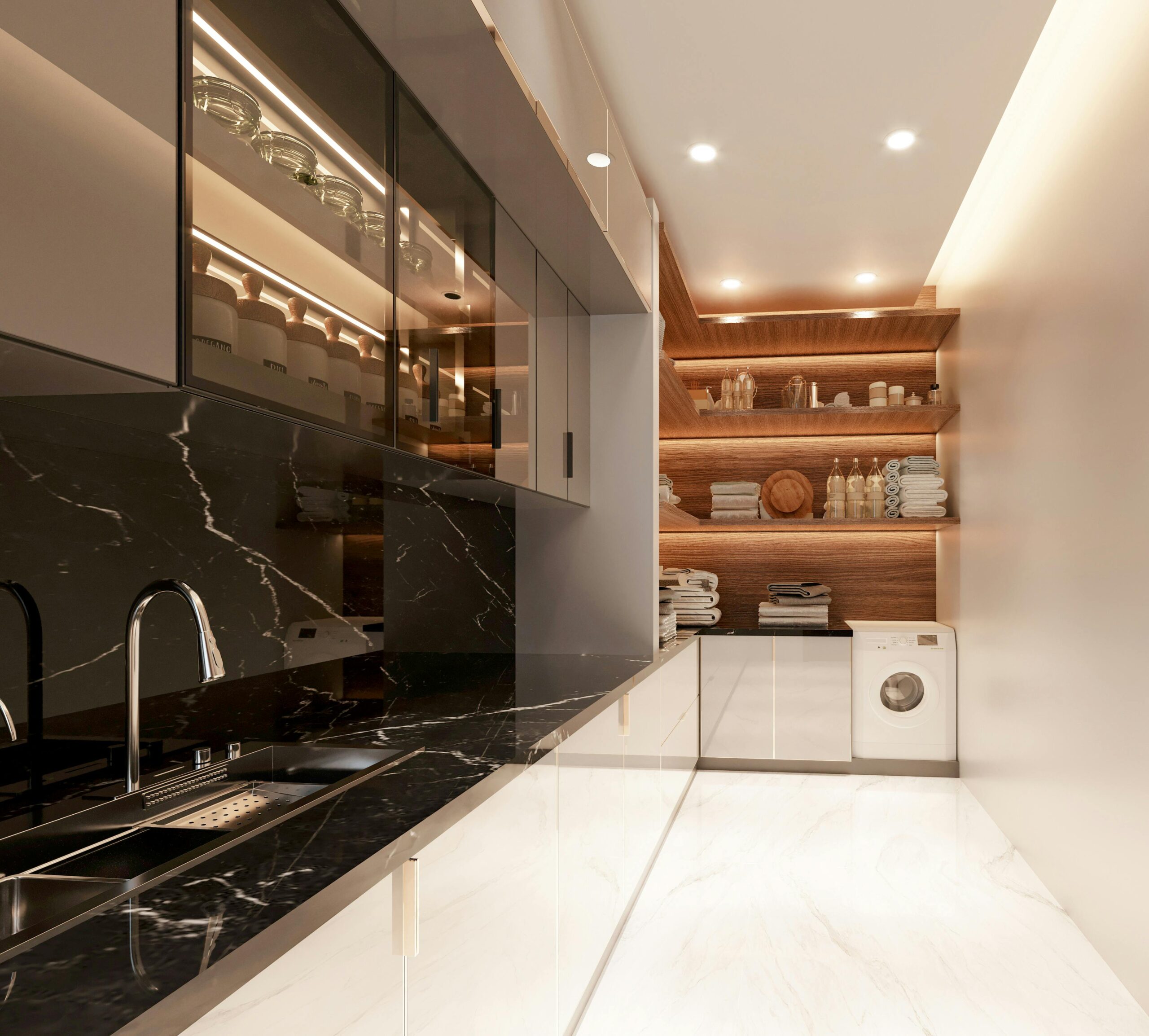
Transforming Your Home One Room at a Time 🏡
The journey to a completely organized home begins with a single room and a solid plan. Your room-by-room storage planning worksheet provides the roadmap that transforms overwhelming chaos into manageable, systematic progress.
Remember that perfect organization doesn’t exist. Your goal is creating systems that work for your real life, with your actual stuff, in your specific space. The best storage solution is the one you’ll actually use consistently, not the prettiest one in a magazine.
Start today by choosing one room and completing its worksheet. Document what you own, assess your current storage, identify problems, and plan solutions. This single step creates momentum that carries you through your entire home organization journey.
An organized home isn’t about minimalism or having less—it’s about knowing what you have, storing it logically, and being able to find it when needed. With your comprehensive storage planning worksheet, you now have the framework to master your space and create the organized home you’ve always wanted.